DXB --:--
category

Business

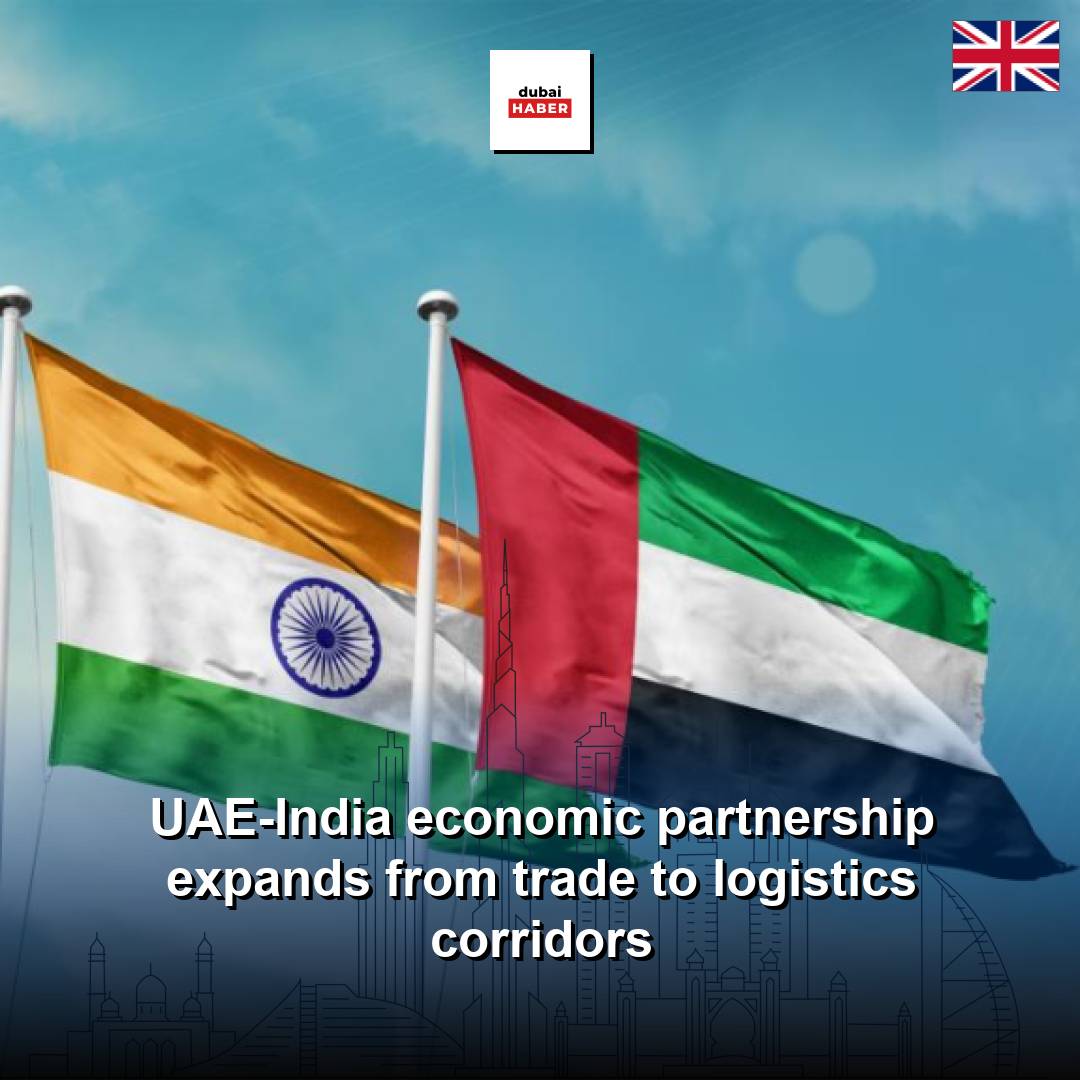
UAE-India economic partnership expands from trade to logistics corridors
12.09.2026

UAE-India economic partnership expands from trade to logistics corridors

NEW DELHI, 12th September, 2026 (WAM) -- The UAE and the Republic of India continue to strengthen a growing strategic and economic partnership that serves as an effective model of cooperation within BRICS, underpinned by historic ties, shared interests and major projects that promote trade, investment and logistics connectivity between markets.Bilateral trade reached US$101.25 billion in the 2025-2026 financial year, marking the second consecutive year in which trade between the two countries exceeded $100 billion.The two countries aim to raise bilateral trade to $200 billion by 2032.The UAE-India partnership continues to expand through a range of strategic initiatives and projects, including Bharat Mart and the Virtual Trade Corridor, alongside cooperation under the India-Middle East-Europe Economic Corridor (IMEC).These initiatives are helping strengthen supply chain integration and create new routes for trade and investment flows between the two countries and global markets.The UAE-India Comprehensive Economic Partnership Agreement (CEPA) holds particular significance as the first agreement of its kind concluded by the UAE. It entered into force in 2022 and has contributed to increasing the flow of goods, services and investment while expanding opportunities for the private sector in both countries.At the multilateral level, the UAE has been a full member of BRICS since January 2024 and is also a member of the New Development Bank, further strengthening its contribution to economic and financial cooperation among BRICS countries.The 18th BRICS Summit opened today, Saturday, 12th September, in the Indian capital, New Delhi, and will continue for two days under the theme "Building for Resilience, Innovation, Cooperation and Sustainability", as India holds the group’s presidency in a year marking the 20th anniversary of BRICS.The growing UAE-India partnership, reflected in expanding trade, increasingly integrated logistics corridors and cooperation in investment and innovation, provides a practical model of the UAE’s role within BRICS and its commitment to exchanging expertise and perspectives and building more integrated and sustainable economic partnerships.

Read News
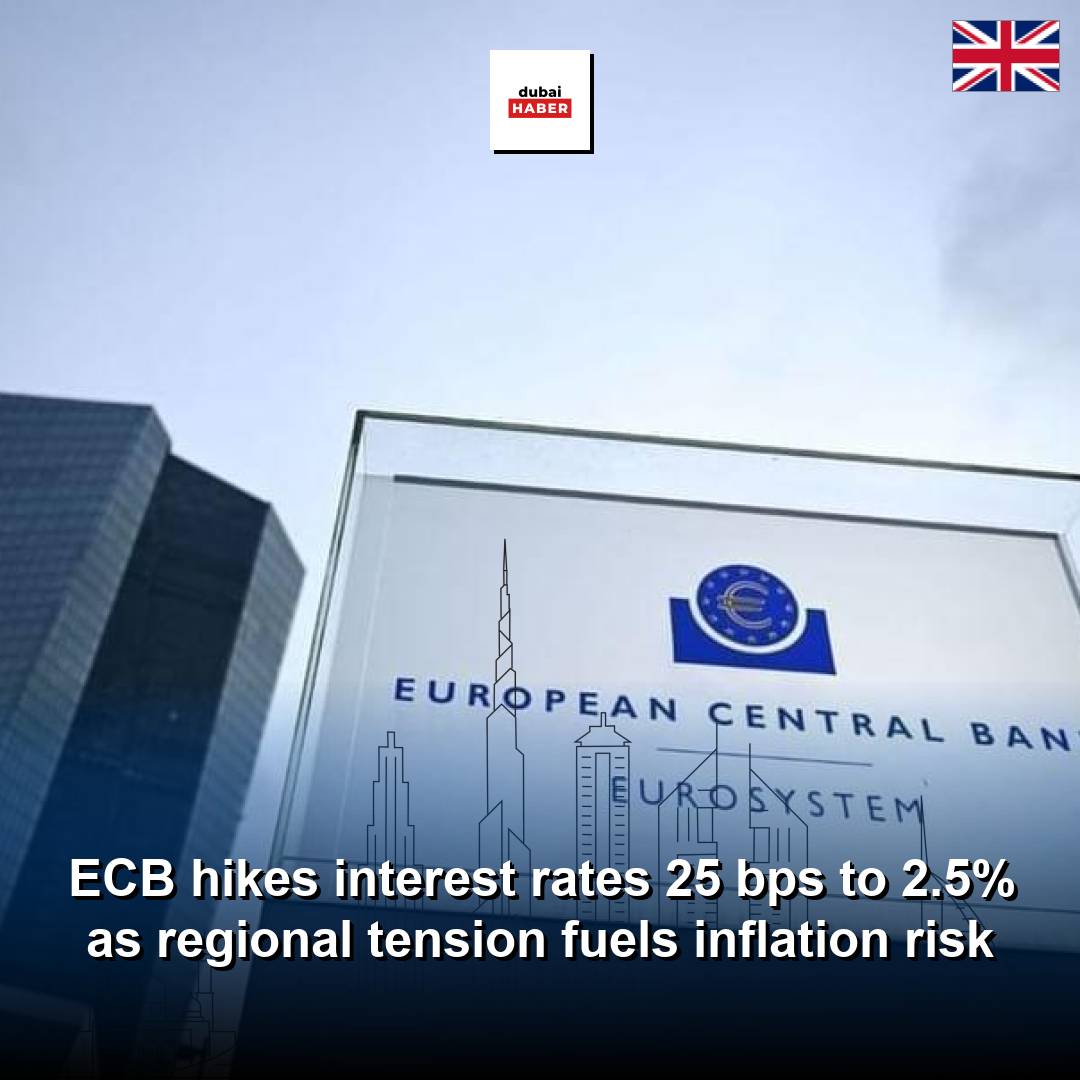
ECB hikes interest rates 25 bps to 2.5% as regional tension fuels inflation risk
11.09.2026

ECB hikes interest rates 25 bps to 2.5% as regional tension fuels inflation risk

BRUSSELS, 10th September, 2026 (WAM) -- The European Central Bank Thursday raised interest rates by 25 basis points to 2.5%, indicating that inflation will remain well above its 2% target for an extended period.The bank explained that tension in the region increases uncertainty, warning of upside risks to inflation and downside risks to economic growth.“The conflict in the Middle East continues to generate inflation pressures, and inflation is set to remain well above target for an extended period,” the ECB said in a statement, adding that its decision underscores its commitment to ensuring that inflation stabilises at 2% in the medium term.

Read News
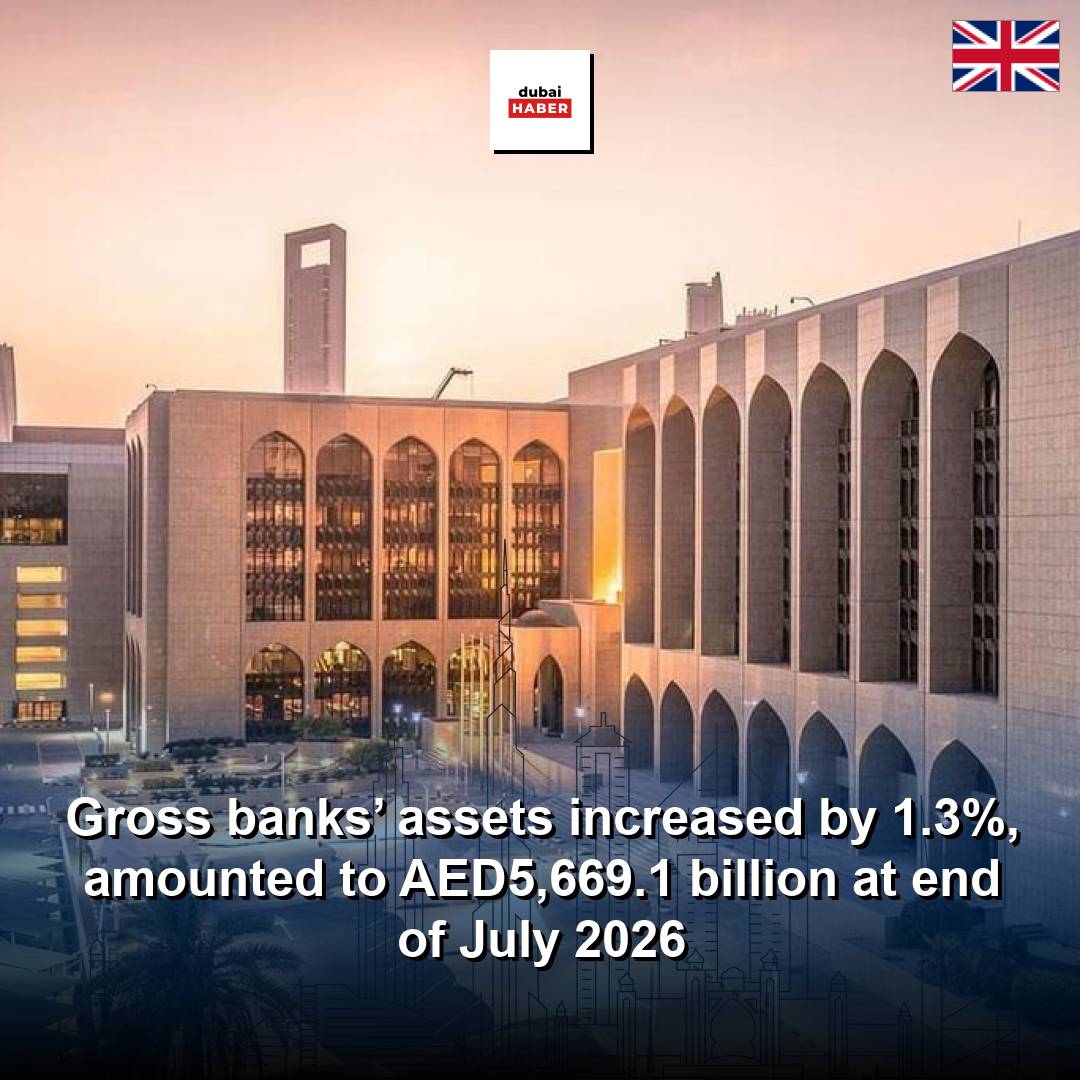
Gross banks’ assets increased by 1.3%, amounted to AED5,669.1 billion at end of July 2026
09.09.2026

Gross banks’ assets increased by 1.3%, amounted to AED5,669.1 billion at end of July 2026

ABU DHABI, 9th September, 2026 (WAM) -- The Central Bank of the UAE (CBUAE) issued the “Monetary and Banking Developments – July 2026” report, which showed that gross banks’ assets increased by 1.3%, amounted to AED5,669.1 billion at the end of July 2026.Gross credit continues to grow, increased by AED41.2 billion (by 1.5%), and reaching AED2,798.9 billion at the end of July 2026. The growth was driven by 1.4% increase in domestic credit, reaching AED2,206.0 billion and 1.8% increase in foreign credit reaching AED592.9 billion, contributing positively by 1.1 p.p. and 0.4 p.p., respectively.The expansion in domestic credit was primarily driven by higher lending to Private sector. Credit to Individuals recorded an increase by 2.3% (AED 13.9 billion), contributing by 0.6 p.p., while credit to Corporate increased by 1.1% (AED 10.9 billion), contributing by 0.5 p.p. At the same time, lending to the Government grew by 1.7% (AED 4.2 billion) and added 0.2 p.p. to the overall growth of domestic credit.Banks’ deposits increased by 1.1%, from AED3,472.8 billion at the end of June 2026 to AED3,509.8 billion at the end of July 2026. This growth was driven by an increase in both resident and non-resident deposits. Resident deposits increased by 0.5%, reaching AED3,198.4 billion, while Non-resident rose by 6.8% reaching AED 311.4 billion. Within resident deposits, the largest contribution to the growth came from Private sector deposits by 0.5 p.p. increasing 0.7% during the month, and reaching AED2,344.4 billion. In addition, GREs deposits increased by 3.7% reaching AED347.3 billion and contributing by 0.4 p.p. Meanwhile, OFCs deposits stood at AED61.3 billion and Government sector deposits stood at AED445.4 billion at the end of July 2026.The money supply aggregate M1 increased by 0.7%, amounted to AED1,047.4 billion at the end of July 2026. Currency in circulation outside banks stood at AED159.2 billion, while Monetary deposits increased by 0.9%, reaching AED888.1 billion. The report also showed that the money supply aggregate M2 increased by 0.8% in July 2026, reaching AED2,900.3 billion at the end of month. Based on the sectoral breakdown of deposits, this improvement was attributable to an increase in Corporate and Government Related Entities (GREs) deposits by 0.9% and 3.7% respectively, (contributing by 0.5 p.p. and 0.4 p.p.). Furthermore, the money supply aggregate M3 also increased over the month (by 0.4%), reaching AED3,440.8 billion at the end of July 2026. Corporate and Government Related Entities (GREs) deposits contributed equally (by 0.4 p.p. each) to overall monthly growth of M3. Positive contribution came from Individuals deposits too, increasing by 0.2% and reaching AED896.5 billion. The monetary base increased by 1.2%, amounted to AED792.7 billion at the end of July 2026. During the month, Reserve balances of banks with the CBUAE recorded an increase of 4.7%, reaching AED256.9 billion.

Read News
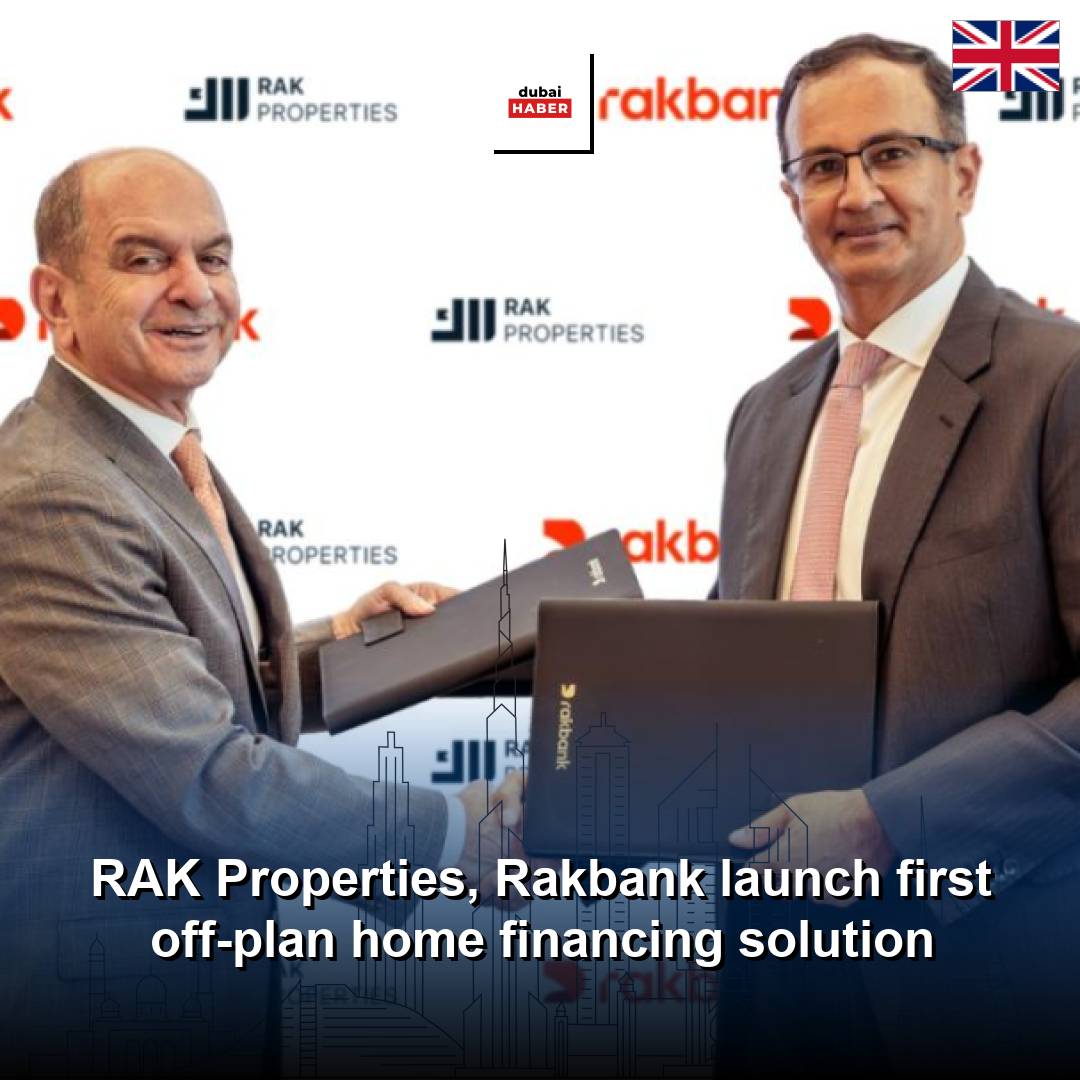
RAK Properties, Rakbank launch first off-plan home financing solution
09.09.2026

RAK Properties, Rakbank launch first off-plan home financing solution

RAS AL KHAIMAH, 9th September, 2026 (WAM) -- RAK Properties has partnered with Rakbank to introduce a first-of-its-kind financing solution designed to make off-plan property ownership more accessible and rewarding for customers looking to invest in Ras Al Khaimah’s vibrant residential property sector.RAK Properties and Rakbank customers will benefit from enhanced flexibility by enabling them to access financing at different stages of their property purchase. Primarily focused on off-plan homes, customers can benefit from tailored financing solutions, exclusive offers and a seamless experience that provides confidence and certainty throughout the process.Buyers can make a low initial investment to unlock access to structured financing solutions. The attractive offers support the entire journey from construction to handover subject to eligibility and applicable terms and conditions.This will be rolled out to select off-plan and under construction RAK Properties developments, including Skai, Quattro Del Mar, Solera, NURA, Anantara Residences, Anantara Villas, ENTA, Lunara on The Strand , Mirasol 1, Mirasol 2, Beach Villas and The Edge.Sameh Muhtadi, Chief Executive Officer of RAK Properties, said, “Our goal at RAK Properties is to make owning a premium residence in Ras Al Khaimah as attractive and easy as possible. By partnering with RAKBANK on this exclusive product, we’re pleased to offer one of the most accessible home financing solutions on the market. More than a standard mortgage product, this highly tailored and flexible financial pathway gives buyers total confidence from the off-plan stage all the way to handover. With this first-of-its-kind solution, RAK Properties is setting a new benchmark within our Emirate’s fast-moving real estate sector.”Raheel Ahmed, Group Chief Executive Officer of Rakbank, said, “Buying a home is one of life’s biggest milestones and, for many people, the fulfilment of a long-held dream. Our role is to help make that dream feel more achievable. Through our partnership with RAK Properties, we are giving eligible customers greater flexibility and support throughout the journey, from construction to the moment they receive the keys to their new home. It is another way we are making banking simpler, more human and more connected to what matters most in our customers’ lives.”

Read News
Meraas awards over AED590 million main construction contract for City Walk Crestlane
07.09.2026

Meraas awards over AED590 million main construction contract for City Walk Crestlane

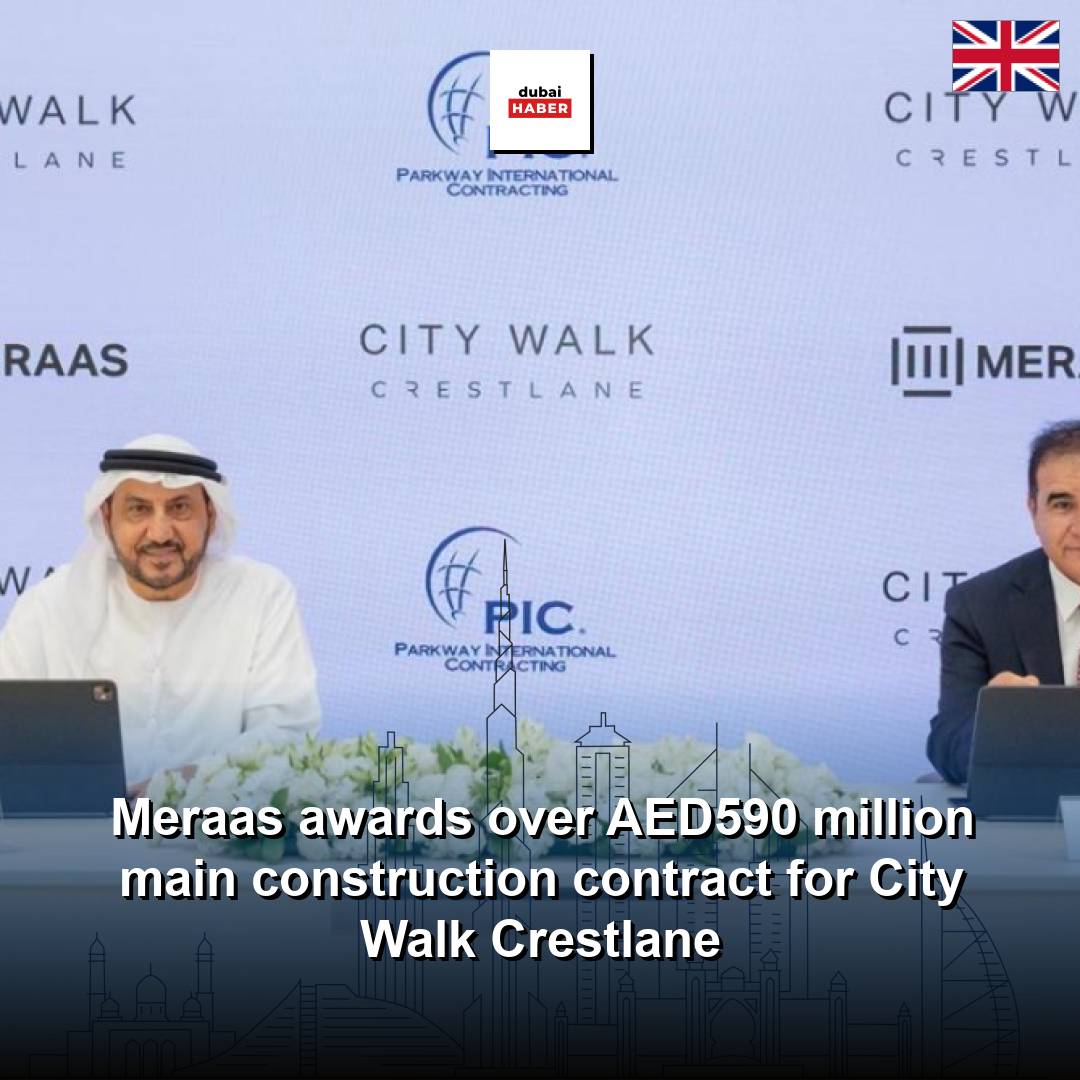
DUBAI, 7th September, 2026 (WAM) -- Meraas, a member of Dubai Holding Real Estate, has awarded Parkway International Contracting a main construction contract worth more than AED590 million for the delivery of 394 apartments across four residential buildings as part of Phase 3 at City Walk Crestlane.According to a press release issued today, construction has already commenced, with completion anticipated by Q3 2028.Khalid Al Malik, Chief Executive Officer of Dubai Holding Real Estate, said, “Crestlane’s continued expansion reflects sustained demand for design-led urban living in central Dubai. This main construction award advances the next stage of delivery.”

Read News
CBUAE participates virtually in sixth Preparatory Committee meeting of GCC Central Bank Governors
06.09.2026

CBUAE participates virtually in sixth Preparatory Committee meeting of GCC Central Bank Governors

ABU DHABI, 6th September, 2026 (WAM) -- The Central Bank of the United Arab Emirates (CBUAE) participated virtually in the sixth meeting of the Preparatory Committee of the Gulf Cooperation Council (GCC) Central Bank Governors' Committee, held today via videoconference to discuss ways to further enhance financial cooperation among GCC countries.The CBUAE delegation was led by Ebrahim Obaid Al Zaabi, Assistant Governor for Monetary Policy and Financial Stability, and included Mohamed Hussain Al Marzooqi, Head of the International and domestic Affairs, along with senior CBUAE officials.During the meeting, the Committee discussed key issues related to recent monetary and financial developments in GCC countries, reviewed current and planned initiatives under the joint GCC work programme for central banks, and explored ways to further enhance international cooperation in the monetary and banking sectors, while benefitting from leading global experiences and best practices.The Committee also reviewed the latest developments regarding the agreement to link payment systems among GCC countries.In addition, the meeting considered the recommendations of the technical committees and working groups on banking supervision and regulation, payment systems, cybersecurity, as well as the efforts undertaken by GCC countries in the areas of anti-money laundering and countering the financing of terrorism (AML/CFT), in support of stronger and more resilient financial systems across the region.The UAE’s participation, represented by the CBUAE, in this meeting reaffirms its firm commitment to supporting the process of joint economic and monetary integration among GCC countries, and to exchanging views and expertise to further enhance the stability and growth of the banking and financial sector in the region.

Read News
Türkiye needs at least $80 billion in electricity infrastructure investment through 2035
06.09.2026

Türkiye needs at least $80 billion in electricity infrastructure investment through 2035

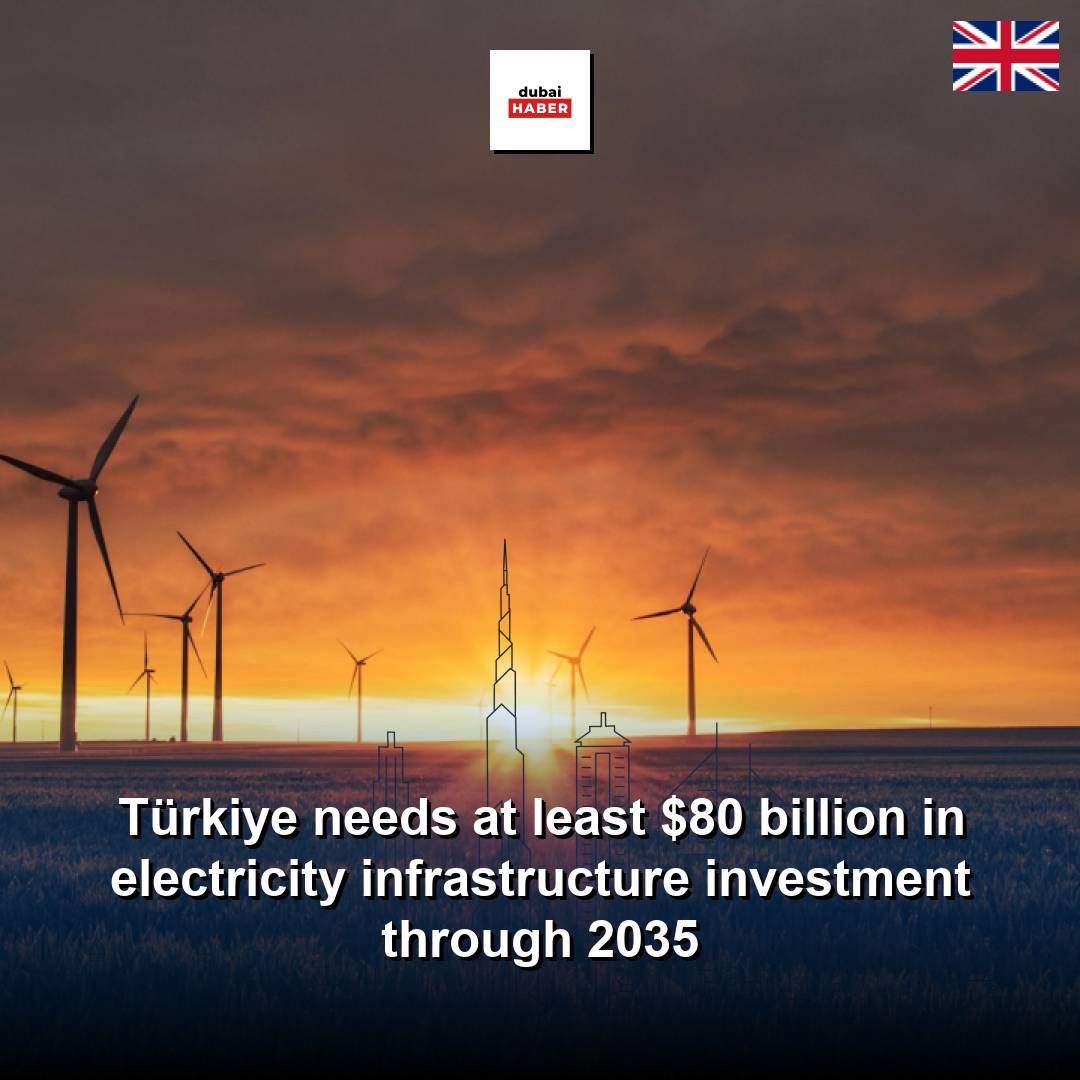
ISTANBUL, 6th September, 2026 (WAM) -- As the world seeks to "rethink, redesign and strengthen" its electricity infrastructure, emerging economies such as Türkiye need access to affordable, long-term climate finance, Energy and Natural Resources Minister Alparslan Bayraktar said."Public finance alone will not be sufficient," Bayraktar said, addressing the Istanbul Climate Finance Summit."We need to mobilize private capital, international financial institutions, development banks and long-term institutional investors," he said as quoted by Anadolu Agency."In Türkiye itself, only until the year 2035, we need to invest at least 80 billion dollars in our electricity infrastructure," he added.Financing mechanisms must reduce risk, lower the cost of capital and make investments in clean energy and climate-resilient infrastructure commercially attractive, he added."For emerging economies like Türkiye, especially for these economies in particular, access to affordable and long-term climate finance is essential," he said."The energy transition cannot succeed globally if financing remains expensive or inaccessible precisely in the countries where energy demand and investment needs are growing fastest," the Turkish minister added.Bayraktar said global warming and climate change also make it necessary to rethink, redesign, and strengthen electricity infrastructure."We are already seeing more frequent and severe extreme-weather events around the world, including Türkiye," he said. "Heatwaves, floods, storms, droughts and wildfires can all affect electricity generation, transmission, and distribution."Climate finance, therefore, should support not only emissions reductions but also resilience and adaptation, he said."The infrastructure we build today must be designed for the climate conditions of the coming decades, not simply those of the past. And this requires enormous financial resources," he said.He described the energy transition as "unprecedented in scale," requiring more renewable energy, greater energy efficiency, nuclear power, energy storage, electrification and substantial investment in transmission and distribution networks.

Read News
S. Korea extends current account surplus in July amid strong exports
04.09.2026

S. Korea extends current account surplus in July amid strong exports

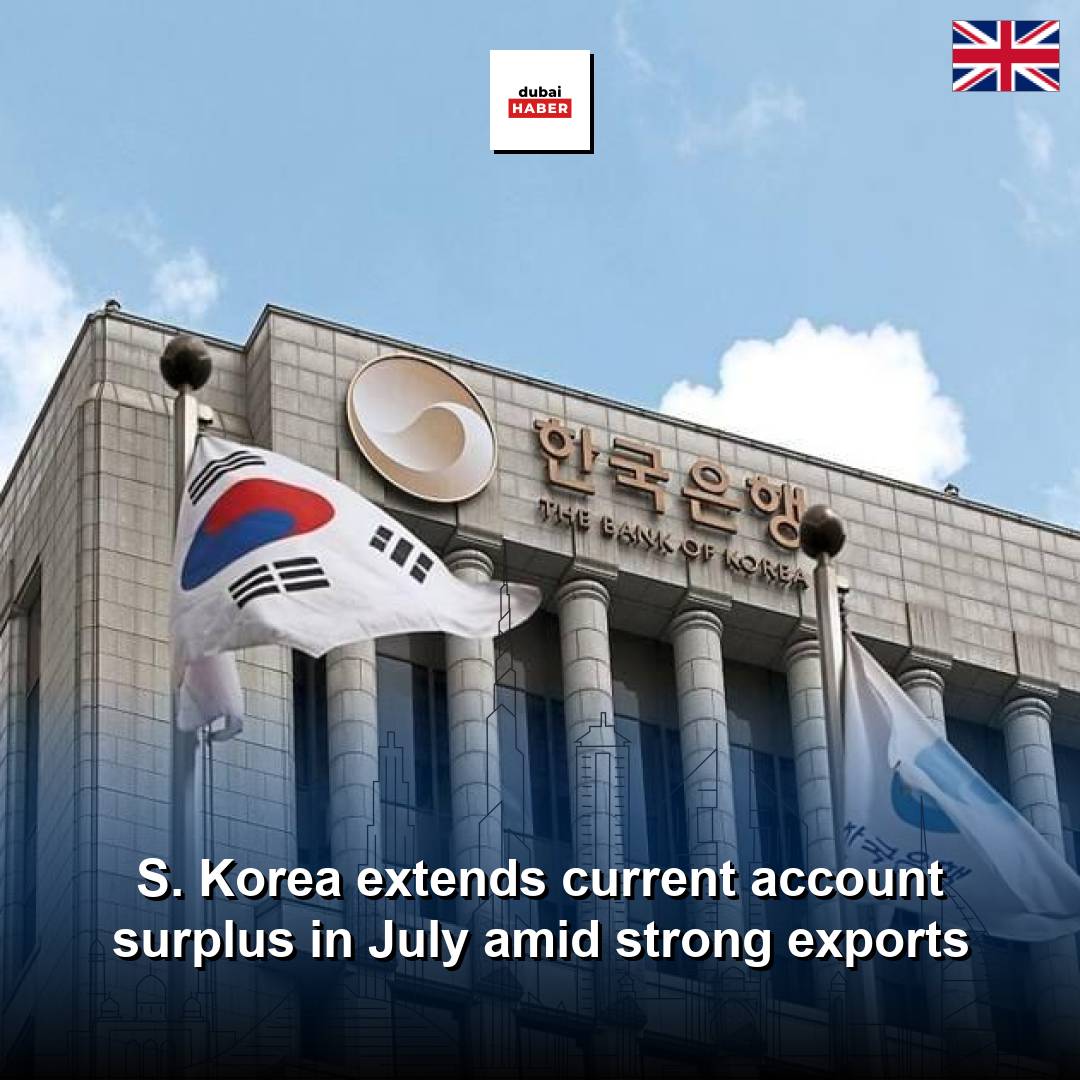
SEOUL, 4th September, 2026 (WAM) -- South Korea posted a current account surplus in July, central bank data showed Friday, led by robust exports amid the global artificial intelligence (AI) boom.The current account surplus totaled US$42 billion in July, down $7.65 billion from a month earlier, according to data from the Bank of Korea (BOK).Compared with the same month a year earlier, the figure jumped $30.1 billion.It marked the second-largest monthly figure following $49.73 billion set in June. It was also the highest for any July.According to Yonhap News Agency reported, the BOK said the goods account posted a surplus of $40.43 billion in July, as exports shot up 65.3 percent on-year to $100.4 billion.The central bank added the primary income account also logged a $4.35 billion surplus following an increase in the equity income.South Korea has reported a current account surplus every month since May 2023, making July the 39th consecutive month the balance has remained in the black.In 2025, the country posted its largest annual surplus on record at $123.05 billion, exceeding the previous high of $105.1 billion set in 2015.

Read News
Brazil threatens reciprocal measures in response to European trade restrictions
04.09.2026

Brazil threatens reciprocal measures in response to European trade restrictions

SAO PAULO, 4th September, 2026 (WAM) — The Brazilian government said on Thursday it could take reciprocal measures against the European Union in case negotiations to reverse the bloc’s ban on animal products from the South American nation do not lead to "a satisfactory outcome."Brazilian agriculture ministry said Thursday that it would consider reciprocal measures if a satisfactory solution is not reached.“Brazilian authorities expressed their indignation at the lack of dialogue before the measure was adopted,” the ministry said in a statement, adding that the suspension “does not match the depth of the strategic partnership between Brazil and the EU.”The European Union suspended imports of animal goods from Brazil, including beef, poultry, eggs, and honey, starting September 3, 2026.The block on imports was triggered by new EU rules regarding the control and use of antimicrobial substances in livestock production.The bloc announced in May that Brazil would be removed from its list of countries authorized to export certain animal products to the bloc, arguing that Brazil had failed to provide sufficient guarantees that its livestock production meet EU standards against antibiotic growth promoters and other restricted drugs.

Read News
Egypt approves execution plan for international bond issuances up to $3 billion
04.09.2026

Egypt approves execution plan for international bond issuances up to $3 billion

CAIRO, 3rd September, 2026 (WAM)-- The Egyptian Cabinet has greenlit measures for the Ministry of Finance to issue up to $3 billion in international bonds throughout fiscal year 2026/2027. This move aligns with state strategy to cover budget funding gaps, broaden currency and financing options, and lower refinancing exposure.An official release noted that the framework encompasses conventional debt securities, alternative financial mechanisms, and credit-guaranteed Panda bonds. Issuance amounts and schedules will depend on international investor interest, global market dynamics, and input from appointed lead arrangers and financial advisers.

Read News
ROX begins ADAMAS vehicle production in Abu Dhabi, advancing emirate’s automotive manufacturing ambitions
04.09.2026

ROX begins ADAMAS vehicle production in Abu Dhabi, advancing emirate’s automotive manufacturing ambitions

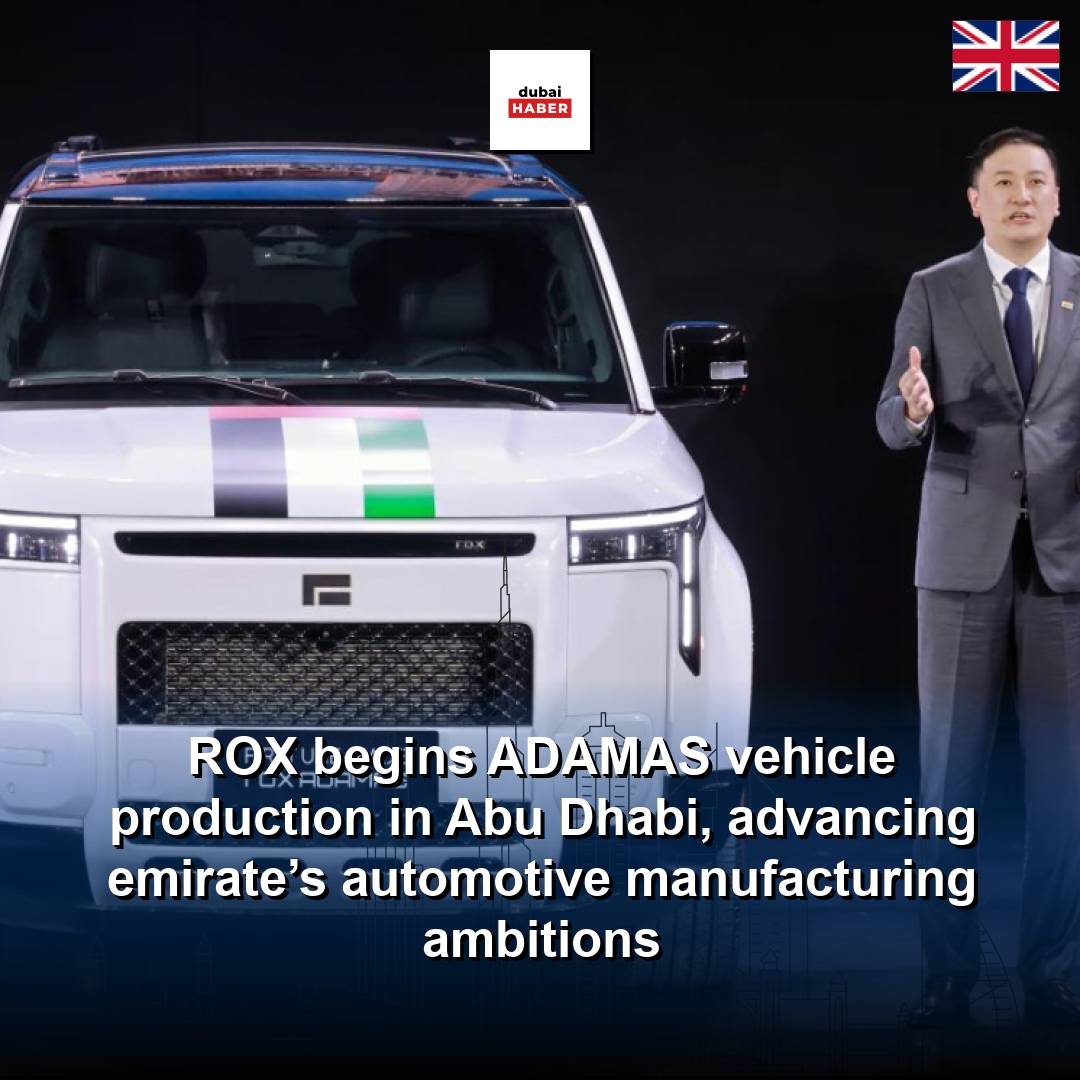
ABU DHABI, 3rd September, 2026 (WAM) -- ROX has completed its Advanced AI Manufacturing Centre in Abu Dhabi and commenced local vehicle production, with the first three ROX ADAMAS vehicles carrying the “Made in the Emirates” mark rolling off the production line. The milestone marks a new stage in the company’s localisation and expansion in Abu Dhabi.The new facility builds on the partnership between ROX and the Abu Dhabi Investment Office (ADIO), supporting ROX’s plans to localise its operations across supply chains, technology and design, while contributing to the development of an integrated automotive manufacturing ecosystem.The development is supported by the Ministry of Industry and Advanced Technology under the umbrella of the “Make it in the Emirates” initiative and supports the objectives of the National Strategy for Industry and Advanced Technology, “Operation 300Bn”, which seeks to strengthen the country’s position as a leading global destination for the industries of the future.Hasan Jasem Al Nowais, Undersecretary of the Ministry of Industry and Advanced Technology, said: “The UAE has strengthened its leading position on the global manufacturing map by building a competitive industrial ecosystem based on innovation and advanced technology, while reinforcing its position as an attractive destination for high-value investments and future industries.”Al Nowais said: “The Ministry of Industry and Advanced Technology, in collaboration with its partners, continues to develop a flexible, growth-enabling industrial environment that supports global companies in localising their operations, transferring knowledge and technology, and developing integrated supply chains. This contributes to enhancing In-Country Value, increasing the competitiveness of products manufactured in the UAE, and creating high-quality opportunities for Emirati talent.”“The start of production of ROX Adamas vehicles in Abu Dhabi reflects the objectives of national initiatives such as Operation 300bn and Make it in the Emirates, and demonstrates the UAE’s ability to attract and localise advanced industries, spanning production and assembly, design, research and development, and artificial intelligence applications.”The new facility is expected to provide an initial production capacity of 20,000 vehicles in 2027, with plans to increase this to 300,000 vehicles annually by 2030, serving the needs of the domestic market while supporting exports to regional and international markets.Mohammad Ali Al Kamali, Chief Trade and Industry Officer at the Abu Dhabi Investment Office (ADIO), said: “ROX’s progress in Abu Dhabi is a clear example of how industrial investments can translate into local production, deeper industrial capability and global growth. By anchoring more of its manufacturing and value chain in the emirate, ROX is contributing to an automotive ecosystem designed to support localisation, strengthen supply chains and enable exports. Abu Dhabi gives manufacturers the infrastructure, connectivity and partners to establish, scale and compete globally from a single base.”The facility covers 10,000 square metres within the industrial ecosystem of Khalifa Economic Zones Abu Dhabi – KEZAD Group, supporting efforts to localise high-value industries and develop national manufacturing capabilities. The facility enables the local sub-assembly of more than 80 types of vehicle components, alongside complete vehicle assembly, calibration, rain testing, road testing and final inspection before delivery. The facility also strengthens ROX’s local manufacturing capabilities and deepens its connection to Abu Dhabi’s automotive sector, including capabilities across engineering, advanced materials, technology, talent and supply chains.Jarvis, Founder and CEO of ROX, said: “The opening of the new manufacturing centre represents an important step in ROX’s journey and a starting point for expanding our presence from Abu Dhabi into international markets. We look forward to establishing the UAE as a key part of our global growth journey and building a company that the UAE can be proud of and that contributes to its economic ambitions.”This step forms part of ROX’s plans to localise its operations in Abu Dhabi, which were announced alongside the establishment of its global headquarters in the emirate, strengthening its presence and supporting the expansion of its operations there. Since establishing its global headquarters in Abu Dhabi last year, ROX has continued to develop its operations in the emirate, culminating in the start of local vehicle production and marking a new stage in the company’s journey.ROX also unveiled its AI LAB and Design Studio in Abu Dhabi, supporting previously announced plans to develop its design and R&D capabilities in the emirate. The AI LAB will serve as a base for the development of the ROX AGENT AI platform, while the Design Studio will bring together designers from the UAE, China and around the world.ROX plans to unveil its first UAE-designed vehicle in Abu Dhabi in March 2027. The Abu Dhabi Edition will be developed through ROX’s global design network and will incorporate influences inspired by Emirati culture.ROX is working to establish an integrated vehicle development ecosystem that brings together technology, design and manufacturing within a single base. The Design Studio’s first project reflects this integration through the development of the “ROX ADAMAS – Abu Dhabi Edition” in collaboration with the Design Commission – Abu Dhabi and Al Khaznah Leathers, with a design inspired by Khoos, the traditional Emirati craft of weaving palm fronds.The company also announced the launch of the second season of GRAND TOUR, with two vehicles from the initial batch of UAE-manufactured ADAMAS preparing to depart Abu Dhabi on a journey across Africa, covering Nigeria, Ghana, Côte d’Ivoire, Liberia, Sierra Leone, Guinea, Guinea-Bissau, The Gambia, Senegal and Mauritania, before reaching Casablanca, Morocco. The two vehicles will carry the “Made in the Emirates” mark as they travel through a diverse range of markets and operating environments. The journey reflects ROX’s expansion into global markets from its growing production base in Abu Dhabi, while showcasing the capabilities and performance of UAE-manufactured vehicles across diverse international markets.The company’s expansion reflects Abu Dhabi’s approach to supporting industrial growth by establishing production capabilities locally and enabling manufacturers to access advanced infrastructure, integrated supply chains, specialised talent and global markets that support business growth and international expansion.

Read News
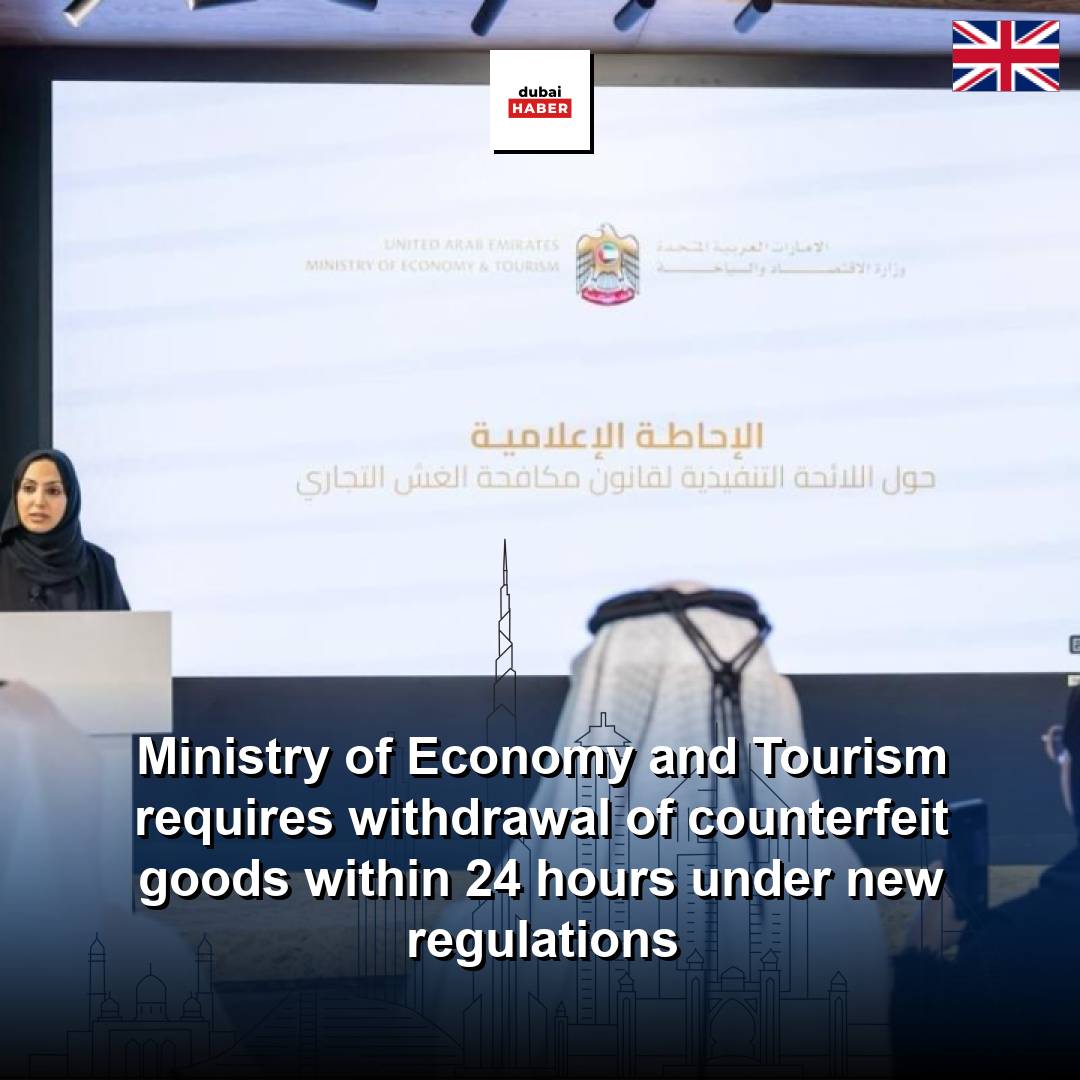
Ministry of Economy and Tourism requires withdrawal of counterfeit goods within 24 hours under new regulations
03.09.2026

Ministry of Economy and Tourism requires withdrawal of counterfeit goods within 24 hours under new regulations

DUBAI, 3rd September, 2026 (WAM) -- The Ministry of Economy and Tourism highlighted the key provisions of the Executive Regulations of the Anti-Commercial Fraud Law, which require suppliers to immediately stop selling or displaying adulterated, spoiled or counterfeit goods and withdraw them from markets and warehouses within no more than 24 hours of receiving notification from the Ministry or the competent authority, strengthening consumer protection, market integrity and the efficiency of oversight of commercial practices in the UAE.This came during a media briefing organised by the Ministry today in Dubai to review the Executive Regulations of Federal Decree-Law No. 42 of 2023 concerning Anti-Commercial Fraud, issued pursuant to Cabinet Decision No. 107 of 2026.Safeya Al Safi, Assistant Under-Secretary for the Commercial Control and Governance Sector at the Ministry of Economy and Tourism, said the UAE has made significant progress in developing an advanced legislative and regulatory framework to combat commercial fraud and protect the rights of consumers and trademark owners.She noted that the Regulations represent a new milestone in developing market oversight and keeping pace with modern forms of trade, including e-commerce.Al Safi said the Ministry, in cooperation with local economic and supervisory authorities, conducted 10,023 inspection tours related to commercial fraud during the first quarter of 2026, resulting in the detection of 189 violations across the UAE.The Regulations strengthen proactive oversight by regulating inspection procedures, detecting violations and dealing with adulterated goods, as well as governing the custody and destruction of seized items, data exchange between competent authorities and the application of administrative penalties, thereby enhancing compliance and deterring unlawful practices.The Regulations require suppliers to notify all points of sale and entities supplied with the violating goods to withdraw them within 24 hours and to publicly announce the withdrawal within 48 hours in both Arabic and English. This period may be shortened if the goods pose a risk to human or animal health or safety, or to the environment.The Regulations also govern procedures for recycling or destroying goods and for re-exporting eligible goods to the country of origin or exporting country within 30 days, in accordance with the prescribed controls.They also set out conciliation and objection procedures, allowing a violator to object to a decision rejecting conciliation within seven working days, while the Ministry or competent authority must decide on the objection within no more than 10 working days.The Ministry affirmed that the Regulations aim not only to impose penalties, but also to promote a culture of compliance, support compliant establishments, strengthen the confidence of investors and traders, and enhance the competitiveness of UAE markets.

Read News