DXB --:--
category

Emirates News

Ministry of Higher Education : Number of admitted students up by 15% in previous academic year
27.09.2026

Ministry of Higher Education : Number of admitted students up by 15% in previous academic year

DUBAI, 27th September, 2026 (WAM) -- The Ministry of Higher Education and Scientific Research has reported continued growth in university enrolment across the UAE, with the number of admitted students increasing by 15% in the previous academic year compared with the year before, bringing total enrolment to more than 218,000 students during the 2025-2026 academic year. The Ministry said this growth reflects the effectiveness of flexible admissions policies that provide students with broader opportunities to develop the knowledge and skills needed to enter the labour market, in line with national economic priorities and future requirements.In an interview with the Emirates News Agency (WAM), Dr. Ahmad Sultan Al Shoaibi, Undersecretary of the Ministry of Higher Education and Scientific Research, explained that expanding access to higher education institutions is supported by an integrated system of real-time data connectivity between the ministry and higher education institutions. This enables the Ministry to monitor admissions and enrolment indicators on an ongoing basis, while enhancing universities' efficiency in managing admissions processes in accordance with the legislation governing the higher education sector and approved national frameworks.He said that indicators recorded over the past period demonstrate the positive impact of policies aimed at expanding access to higher education. During the previous academic year, higher education institutions in the UAE recorded a 15% increase in the number of admitted students compared with the preceding year, with the total number of students admitted and enrolled exceeding 64,000, including approximately 32,000 Emirati students.''The number of students enrolled in higher education institutions exceeded 218,000 during the 2025-2026 academic year, including approximately 124,000 Emirati students, he explained.The impact of the development of admissions policies has also extended to the range of educational pathways available to students. The number of students enrolled in diploma and higher diploma programmes increased from 3,995 in the 2021-2022 academic year to 10,926 in 2025-2026, representing growth of 173%. This expansion provides students with a broader range of options while supporting the acquisition of qualifications and skills that enhance their readiness for the labour market,'' he added.He noted that the development of admissions policies and criteria at higher education institutions forms part of a clear and integrated vision aimed at expanding students' access to university places, enhancing the flexibility of the higher education system and its ability to accommodate students' needs and diverse academic pathways, while maintaining the quality of educational outcomes and aligning them with labour market requirements and national priorities.He explained that granting higher education institutions greater flexibility in determining admission criteria according to the nature of their programmes and specialisations forms part of the development of the governance model for the higher education sector. This approach, he noted, strengthens institutions' responsibility for the academic standards of their students and the quality of their outcomes, while enabling them to develop admissions policies suited to the nature and level of their academic programmes. This is implemented within an integrated and clearly defined framework applicable to all universities, alongside an outcomes-based assessment framework that supports this flexibility and ensures the continued maintenance of quality.In this regard, Dr. Al Shoaibi stressed that the flexibility granted to higher education institutions in setting admission criteria does not in any way mean compromising quality requirements. He emphasised that the Ministry will not tolerate any practices or admissions policies that could undermine the quality of the educational process or affect the standard of its outcomes.He noted that the approved admissions policies represent one of the leading international practices, serving as a tool to enable students to enter educational pathways suited to their abilities without compromising academic standards or graduates' competence and ability to meet labour market needs.Dr. Al Shoaibi explained that higher education institutions are responsible for ensuring that their admission criteria are appropriate to the nature of their academic programmes, within an integrated system of governance, oversight and accountability. This approach seeks to strike a balance between expanding access to higher education, maintaining quality standards, ensuring graduate competence and strengthening graduates' readiness for the labour market.He added that the higher education system has made significant qualitative advances in recent years, with a greater focus on governance and ensuring the quality of educational outcomes to meet the future needs of the labour market and priority sectors. The performance of higher education institutions is also subject to continuous monitoring and evaluation.He explained that greater flexibility in admission criteria for higher education institutions does not represent a relaxation of quality requirements. Rather, it forms part of the development of the governance model for the higher education sector and a shift from relying primarily on the regulation of inputs towards a more comprehensive system that links institutional autonomy with accountability for the quality of outcomes and results.This is supported by an outcomes-based assessment framework that operates alongside admissions flexibility to ensure a dynamic response to the requirements of the sector without compromising quality standards.The Ministry confirmed that Ministerial Resolution No. 19 of 2024 on Admission Criteria for Higher Education Institution Programmes in the UAE requires higher education institutions to establish clear admission criteria for their programmes. It also permits conditional admission subject to the successful completion of preparatory or remedial courses or programmes to address any potential gaps in the academic skills of admitted students. In addition, diploma, higher diploma and partial qualification pathways are available to students according to their abilities and educational pathways.With regard to minimum secondary school grades and grades in specialised subjects, the Ministry clarified that the absence of a single, standardised minimum requirement across all higher education institutions does not mean that academic controls are absent. Rather, it reflects an approach that gives institutions the flexibility to determine admission requirements according to the nature of the programme and specialisation and the level of preparation required, while subjecting the outcomes of these policies to ongoing monitoring, evaluation and oversight.Regarding the absence of a requirement to obtain the Ministry's prior approval when establishing or amending each individual admission criterion, the Ministry explained that the current model is based on strengthening higher education institutions' responsibility for their academic decisions, while subjecting their performance to continuous oversight and evaluation.Accordingly, the absence of a requirement for prior approval of every amendment does not mean that the Ministry's supervisory role has been removed. The Ministry verifies institutions' compliance with admission criteria through academic accreditation renewal processes, as well as periodic monitoring and inspection visits and ongoing assessment of the quality of admissions practices.This represents a shift from oversight based primarily on procedural prior approval towards a broader model of continuous accountability. It enables the impact of admissions policies to be assessed in relation to students, programmes, graduates and the labour market, while allowing the necessary measures to be taken when practices that affect the quality of the educational process are identified.The Ministry also stressed the importance of distinguishing between "open admission" without sufficient academic controls and the regulated model of flexibility governed by clear and robust standards, which is applied in the UAE.The UAE model does not involve opening admissions without controls. Instead, it combines institutional flexibility in determining admission criteria with preparatory and remedial programmes where needed, academic accreditation, inspection and oversight, and continuous monitoring of educational outcomes.Accordingly, assessing the impact of flexibility should not be limited to admission criteria at the point of entry. It should also take into account indicators such as student retention and completion, employment, quality of education and the alignment of graduates' skills with the needs of the national economy.The Ministry continues to develop the higher education system through an approach focused on the quality of outcomes and measuring their impact. This includes learning outcomes and employment, partnerships with the economic and industrial sectors and future readiness, alongside the development of tools to anticipate future labour market needs and identify the skills and specialisations required in nationally prioritised economic sectors.The Ministry stressed that expanding access to higher education and maintaining the standards of university graduates are complementary objectives. It continues to monitor and evaluate admissions policies and the performance indicators of higher education institutions on an ongoing basis, with the aim of balancing broader educational opportunities for students with ensuring the quality and competence of graduates and strengthening their readiness and ability to compete in the labour market.

Read News
Hamdan bin Mohammed approves Dubai Longevity Authority's strategy and budget
27.09.2026

Hamdan bin Mohammed approves Dubai Longevity Authority's strategy and budget

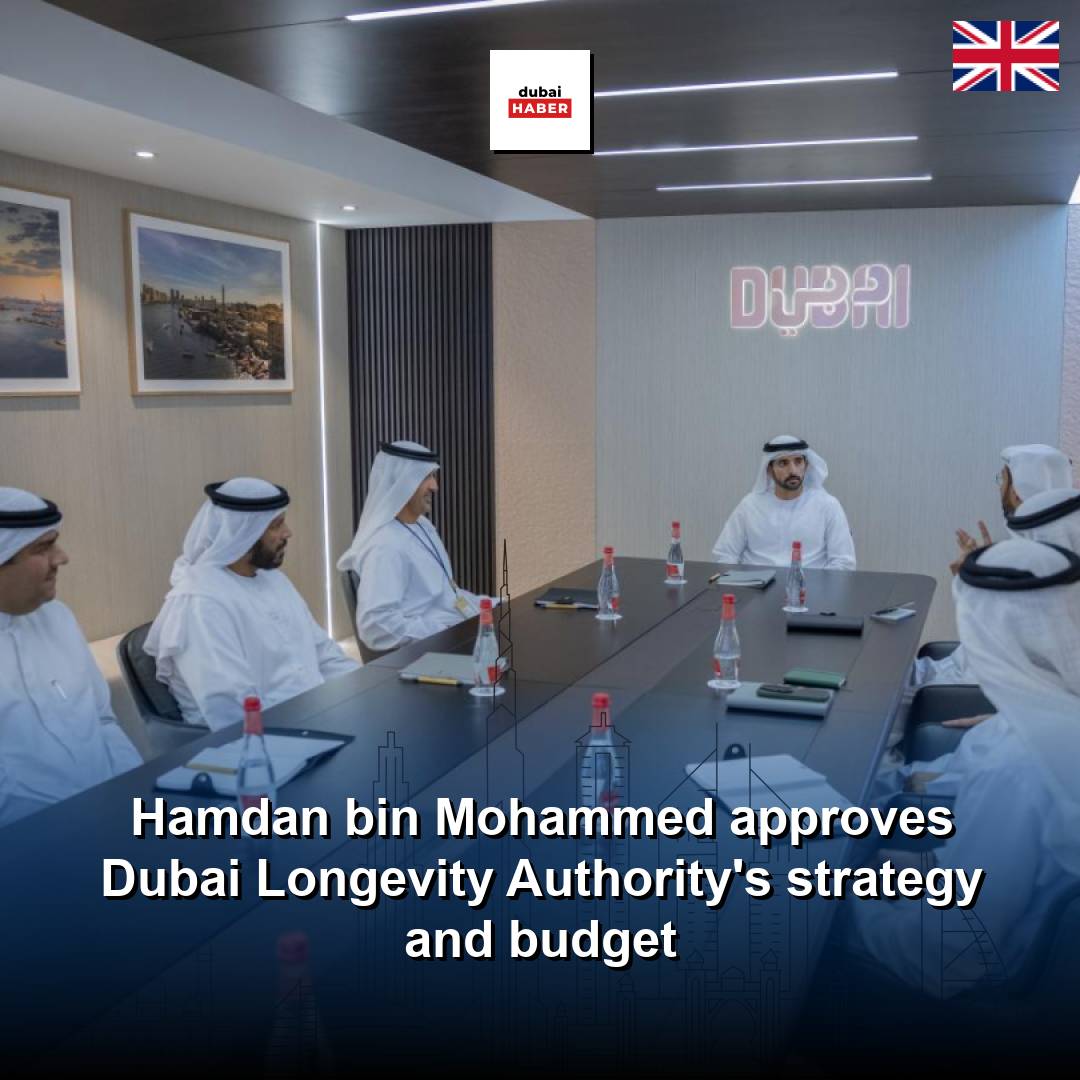
DUBAI, 27th September, 2026 (WAM) -- H.H. Sheikh Hamdan bin Mohammed bin Rashid Al Maktoum, Crown Prince of Dubai, Deputy Prime Minister and Minister of Defence of the UAE, and Chairman of The Executive Council of Dubai, approved the strategy and operating budget of the Dubai Longevity Authority (DLA) following the inaugural board meeting of the Authority, which operates under H.H.'s Presidency. The approvals represent the next phase in the Dubai Longevity Authority's development, moving it from establishment to implementation as the world's first dedicated regulator for the Longevity, Wellness and Advanced Health (LWAH) sector, advancing a sector defined not by how long people live, but by how long they live in good health.H.H. Sheikh Hamdan bin Mohammed bin Rashid Al Maktoum said: "Dubai's development model places people's health, wellbeing and quality of life at the heart of its priorities. Guided by this vision, the Dubai Longevity Authority's strategy sets a clear path towards establishing Dubai as a leading global hub for longevity, wellness and advanced health. We aim to create an ecosystem that brings together innovation, talent, investment, and regulation to foster new scientific discoveries and translate them into solutions that help people live longer and in better health. By attracting the world's brightest minds in life sciences, biotechnology and medical innovation, we are building a sector that will drive scientific progress, contribute to sustainable economic growth and reinforce Dubai's position as a global destination for the industries of the future. Every step we take, every partnership we build and every innovation we enable ultimately serves one purpose: serving humanity."Established under Law No. (17) of 2026 and under the directives of His Highness Sheikh Mohammed bin Rashid Al Maktoum, Vice President and Prime Minister of the UAE and Ruler of Dubai, the DLA operates under the Presidency of HH. Sheikh Hamdan bin Mohammed bin Rashid Al Maktoum and the Chairmanship of Helal Saeed Almarri, Director General of the Dubai Department of Economy and Tourism (DET). The Authority governs the full value chain - from research and clinical trials through the sourcing, manufacturing and market-delivery cycle, to responsible commercialisation - giving businesses the certainty to build, and advance healthspan solutions for humanity at large. In doing so, it supports the objectives of the Dubai Economic Agenda, D33, and the Dubai Social Agenda 33.The inaugural board meeting brought together Helal Saeed Almarri, as Chairman of the Board; Omar Sultan Al Olama, Director General of the Office of the Crown Prince of Dubai, as Vice Chairman; Dr. Alawi Alsheikh-Ali, Director General of the Dubai Health Authority; Eng. Marwan Ahmed bin Ghalita, Director General of Dubai Municipality; Khalfan Belhoul, Chief Executive Officer of the Dubai Future Foundation; and Dr. Amer Sharif, Chief Executive Officer of Dubai Health. The board approved the strategy and operating budget focused on accelerating regulatory development, pilot implementation and market activation.Since its establishment on 6 June, the Authority has fast-tracked activation steps, framing its foundational architecture by defining its governance model and setting the direction for an activity-based licensing framework, minimum standards and enforcement. Central to this is the design of its Minimum Viable Product (MVP) programme, a controlled environment for selected innovators to test, learn and scale under supervision.This agile mode of regulatory enablement allows public and private sectors to advance in lock-step rather than sequentially, in a setting that creates a global frame of reference by being progressive but never permissive.Alongside the regulatory structure, the DLA carries a shared responsibility for enabling the wider ecosystem, spanning investment, intellectual property, talent and infrastructure. This means the industry can be built to evolve dynamically, scale sustainably, and set a global benchmark for the sector worldwide.Helal Saeed Almarri, Director General of the Dubai Department of Economy and Tourism (DET) and Chairman of the Dubai Longevity Authority, said: "Guided by the vision of His Highness Sheikh Mohammed bin Rashid Al Maktoum and the directives of H.H. Sheikh Hamdan bin Mohammed bin Rashid Al Maktoum, we are building a globally competitive ecosystem for the future of health from first principles, spanning the Longevity, Wellness and Advanced Health sector. In our first weeks since inception, we have framed DLA's governance and set its regulatory direction, moving at pace while taking a rigorous approach. Today's approvals from H.H. Sheikh Hamdan bin Mohammed bin Rashid Al Maktoum give us the mandate to accelerate through a phased roadmap into licensed activity, institutional investment, and tangible gains in both healthspan and lifespan, for all." Looking ahead, the DLA will deepen its regulatory capability and advance the MVP programme, working in partnership with key government entities and relevant federal authorities. Its focus will expand to strategic partnerships, investor enablement, and globally operable frameworks for data and intellectual property, alongside the first market-facing initiatives, which will begin to build public confidence in a sector that is trusted by design.

Read News
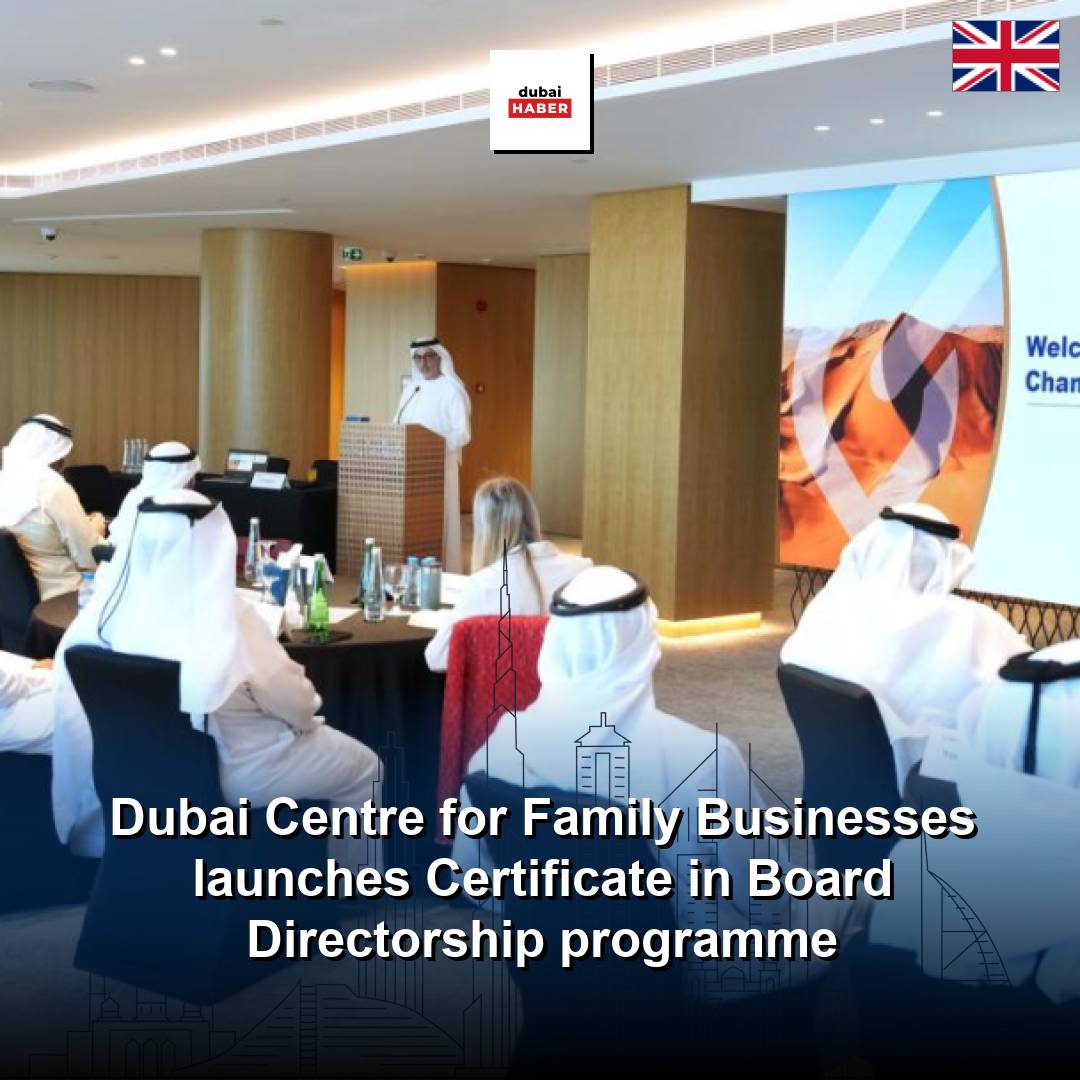
Dubai Centre for Family Businesses launches Certificate in Board Directorship programme
27.09.2026

Dubai Centre for Family Businesses launches Certificate in Board Directorship programme

DUBAI, 27th September, 2026 (WAM) -- The Dubai Centre for Family Businesses, operating under the umbrella of Dubai Chambers, has launched The World of Directorship - Certificate in Board Directorship, a specialised professional training programme designed to strengthen the capabilities of board members and enhance governance practices in line with leading professional and institutional standards.Delivered in partnership with the GCC Board Directors Institute (GCC BDI), the programme will be delivered to 27 participants, providing them with a valuable opportunity to strengthen their leadership capabilities and develop their knowledge and skills, while enhancing their effectiveness as board members in line with the highest standards of management excellence and international best practices.The programme comprises four interactive modules followed by an assessment. The modules cover Corporate Governance Essentials, The Effective Director, The Effective Board, and Board Finance, Accounting, and Corporate Reporting.Together, they address the core knowledge and awareness required to function effectively as a director, including corporate governance; directors' roles, responsibilities, and legal duties; board structure and effectiveness; strategy and risk; ethics; and accounting, finance, and corporate reporting.Mohammad Ali Rashed Lootah, President and CEO of Dubai Chambers, commented, "Effective governance and forward-looking board leadership are fundamental to strengthening the sustainability of family businesses and their ability to grow and adapt to change. We are committed to empowering family business leaders to develop their management and leadership capabilities, while strengthening corporate governance practices that support business continuity, reinforce sound decision-making, and contribute to sustainable success for current and future generations."John Gollifer, CEO, GCC Board Directors Institute, said, "Effective boards play a vital role in supporting the long-term sustainability, growth, and resilience of family businesses. Through this programme, we are pleased to work with the Dubai Centre for Family Businesses to strengthen the capabilities of current and aspiring directors and support the adoption of leading governance practices. Based on GCC BDI's Framework for Board Effectiveness, the programme provides participants with the knowledge and practical insights required to fulfil their responsibilities effectively, enhance board performance, and contribute to sustainable success for current and future generations."Participants who successfully complete the programme's four modules and assessment are awarded the Certified Director professional designation by GCC BDI.The programme is based on GCC BDI's Framework for Board Effectiveness, which provides a structured foundation for developing the capabilities required to apply sound governance practices and fulfil board responsibilities efficiently and effectively.The programme contributes to developing participants' skills and strengthening their practical and management capabilities, enabling them to perform their leadership roles effectively and support the long-term sustainability of their businesses.It also enables participants to benchmark their knowledge against recognised standards for sound governance practices, reflecting their commitment to continuous professional development and enhancing their readiness to keep pace with rapid changes in the global business environment.

Read News
UAE advances swift, effective international judicial cooperation built on trust, rule of law: Minister of Justice
27.09.2026

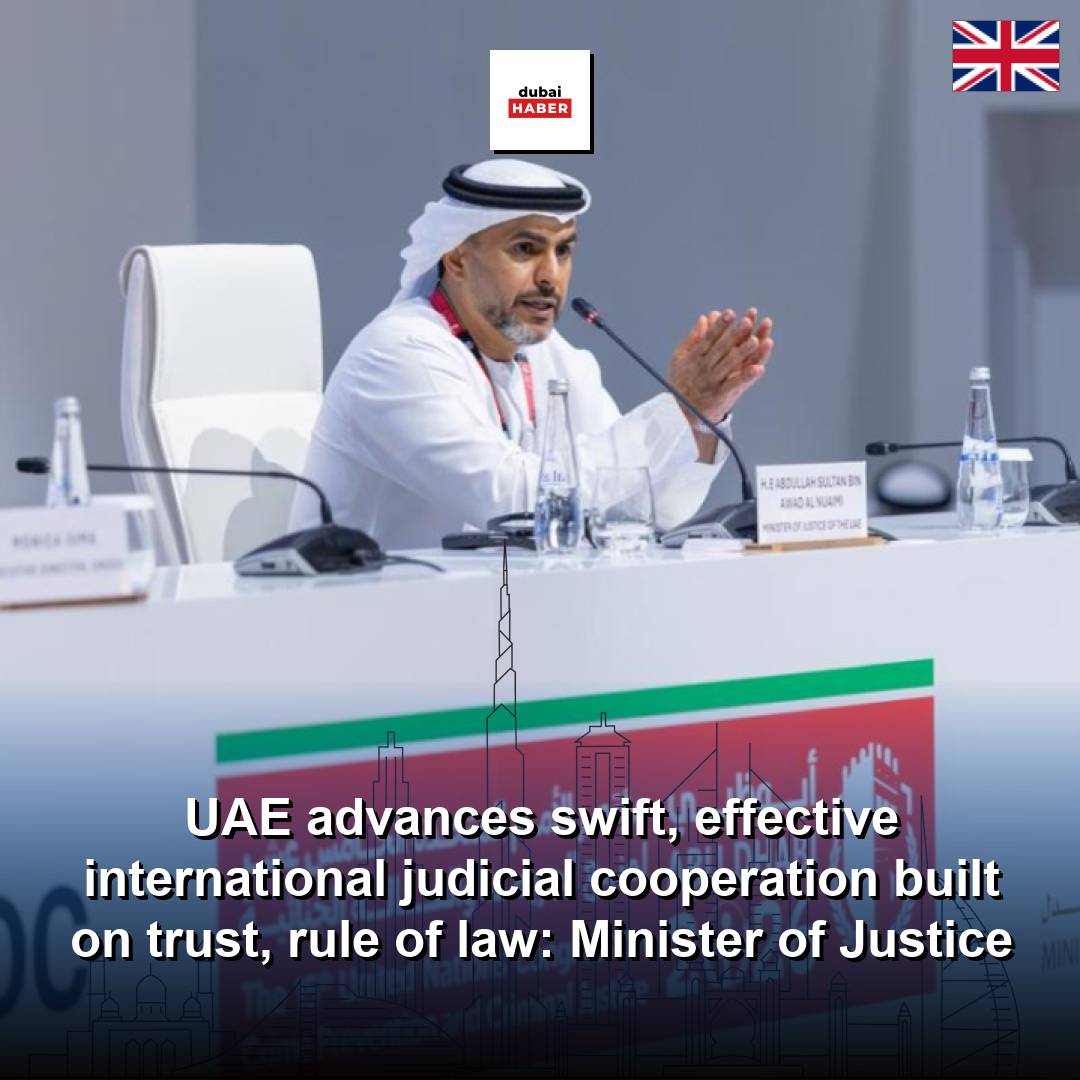
UAE advances swift, effective international judicial cooperation built on trust, rule of law: Minister of Justice

ABU DHABI, 27th September, 2026 (WAM) -- Abdullah Sultan bin Awad Al Nuaimi, Minister of Justice and Chairman of the Federal Judicial Council, reiterated that the UAE has established an integrated system for international judicial cooperation that combines robust legal frameworks, direct partnerships, rapid response, and digital transformation, preventing borders from being exploited to evade justice or protect the proceeds of crime.Al Nuaimi made the remarks during the thematic meeting titled "Strengthening International Judicial Cooperation: The UAE Experience and Global Partnerships," held as part of the high-level segment of the 15th United Nations Congress on Crime Prevention and Criminal Justice - Abu Dhabi 2026.The Congress continues in Abu Dhabi until 1st October, with broad international participation.Al Nuaimi said, "Crime today has no borders. Criminals, assets, money and evidence can move across several jurisdictions, which means that no country can fight transnational crime in isolation. The UAE's message is clear: borders should never become a shield for criminals or criminal assets."Our objective is to ensure that effective judicial cooperation enables the proceeds of crime to be traced, frozen, seized and recovered through sound judicial procedures that uphold the rule of law. We see international judicial cooperation as a partnership between countries, built on trust, direct communication, swift action and practical solutions."Al Nuaimi explained that the UAE's approach focuses on making international cooperation faster and more effective, strengthening direct communication with Central Authorities, improving asset recovery, building strong and long-term international judicial partnerships, and ensuring that all procedures remain consistent with the rule of law.He outlined the legal framework supporting the UAE's international judicial cooperation, which rests on three main pillars: multilateral agreements, bilateral agreements and domestic laws.He noted that the UAE is a party to 16 universal and regional multilateral agreements and has more than 140 bilateral agreements in force with 53 countries. These agreements cover extradition, mutual legal assistance, asset freezing and confiscation, evidence gathering and the transfer of sentenced persons.Approximately 30% of the UAE's bilateral agreements were signed during the past five years. Four additional agreements are ready to be signed before the end of this year, two are currently under negotiation, and a further eight are in draft form.Al Nuaimi added that federal laws provide a strong domestic legal basis for international cooperation, including provisions on anti-money laundering and countering the financing of terrorism and proliferation."Where no treaty exists, the UAE relies on reciprocity as a key principle of customary international law incorporated into national legislation."He stressed that effective judicial cooperation begins with integrated domestic coordination among federal and local prosecutions and courts, the Ministry of Foreign Affairs and the Ministry of Interior, alongside cooperation with Central Authorities, judicial bodies and international organisations.In 2026, the UAE held more than 35 bilateral meetings with counterpart Central Authorities worldwide.Al Nuaimi noted that incoming international judicial cooperation requests recorded significant growth between 2021 and 2025.Incoming mutual legal assistance requests increased by 244%, while incoming extradition requests rose by 235%, reflecting the high level of trust placed by international partners in the UAE's legal and judicial system.In 2025, the UAE received a total of 576 extradition requests. Courts issued decisions in 178 cases, while the remaining requests were either under review or awaiting additional information.The UAE also received 547 mutual legal assistance requests, with the competent authorities issuing 710 reminders to obtain missing information and accelerate their completion.Al Nuaimi highlighted a practical example of cooperation with Ireland. UAE authorities arrested Daniel Kinahan, a senior leader of the Kinahan Organized Crime Group, within 48 hours of receiving the extradition request.The case underwent a full judicial review, culminating in a final ruling by the Dubai Court of Cassation, before the extradition was carried out on 9th August 2026.He also referred to a judicial cooperation case with France involving four individuals. Direct coordination between the UAE and French authorities led to the identification and tracing of assets and the seizure of 82 properties in the UAE in November 2025, following execution of the request by the Dubai Public Prosecution.Al Nuaimi revealed that the average response time for voluntary extradition had been reduced to five days, while a complete mutual legal assistance request is executed within an average of 35 days, compared with the 60-to-180-day timeframe set out in the International Judicial Cooperation Guidelines.He confirmed that the International Cooperation Assistance System (ICAS) is fully digital and has reduced the time required to complete certain procedures from seven days to five minutes.The system has also reduced staff effort by approximately 80% and delivered improvements of up to 90% in selected procedures.Al Nuaimi concluded by affirming that the UAE will continue expanding its treaty network, deepening legal and judicial partnerships, accelerating the exchange of information and evidence, and developing digital tools.These efforts reinforce the UAE's position as a trusted global partner in combating organised and transnational crime and advancing justice and the rule of law.

Read News
UAE President receives Head of Uzbekistan's Presidential Administration
27.09.2026

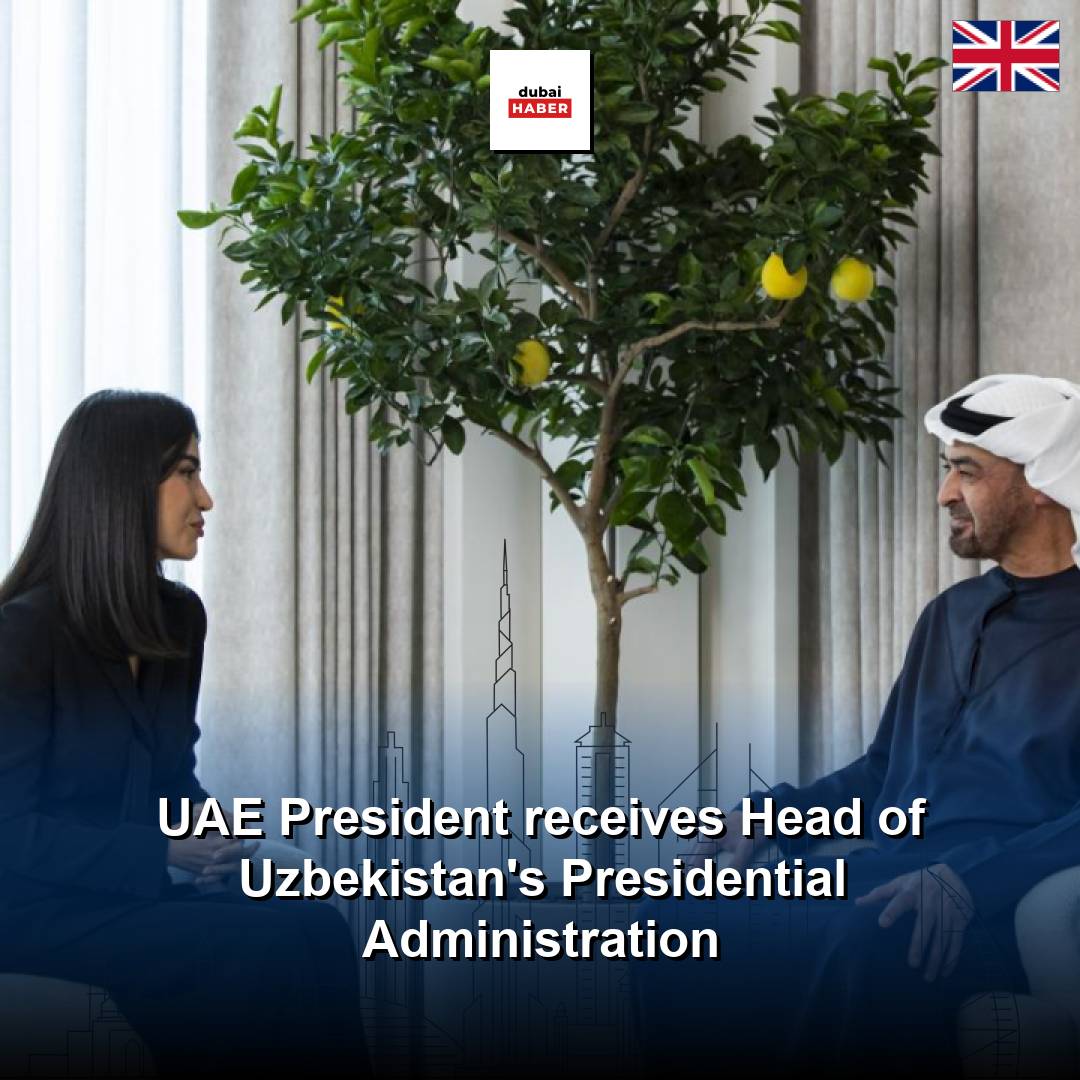
UAE President receives Head of Uzbekistan's Presidential Administration

ABU DHABI, 26th September, 2026 (WAM) -- UAE President His Highness Sheikh Mohamed bin Zayed Al Nahyan today received Her Excellency Saida Mirziyoyeva, Head of the Administration of the President of the Republic of Uzbekistan.During the meeting, Her Excellency conveyed the greetings of Uzbekistan's President, His Excellency Shavkat Mirziyoyev, and his best wishes for the UAE's continued progress and prosperity. His Highness asked her to convey his greetings to President Mirziyoyev and his best wishes for the continued progress and prosperity of Uzbekistan and its people.The meeting also discussed opportunities to further strengthen bilateral cooperation in support of the two countries' development ambitions and the wellbeing of their peoples.The meeting was attended by H.H. Lt. General Sheikh Saif bin Zayed Al Nahyan, Deputy Prime Minister and Minister of the Interior; H.H. Sheikh Hamdan bin Mohamed bin Zayed Al Nahyan, Deputy Chairman of the Presidential Court for Special Affairs; Sheikh Mohammed bin Hamad bin Tahnoon Al Nahyan, Adviser to the UAE President; and a number of officials.

Read News
Abdullah bin Zayed hosts UNGA 81 reception, affirms UAE commitment to multilateral action for development, peace
27.09.2026

Abdullah bin Zayed hosts UNGA 81 reception, affirms UAE commitment to multilateral action for development, peace

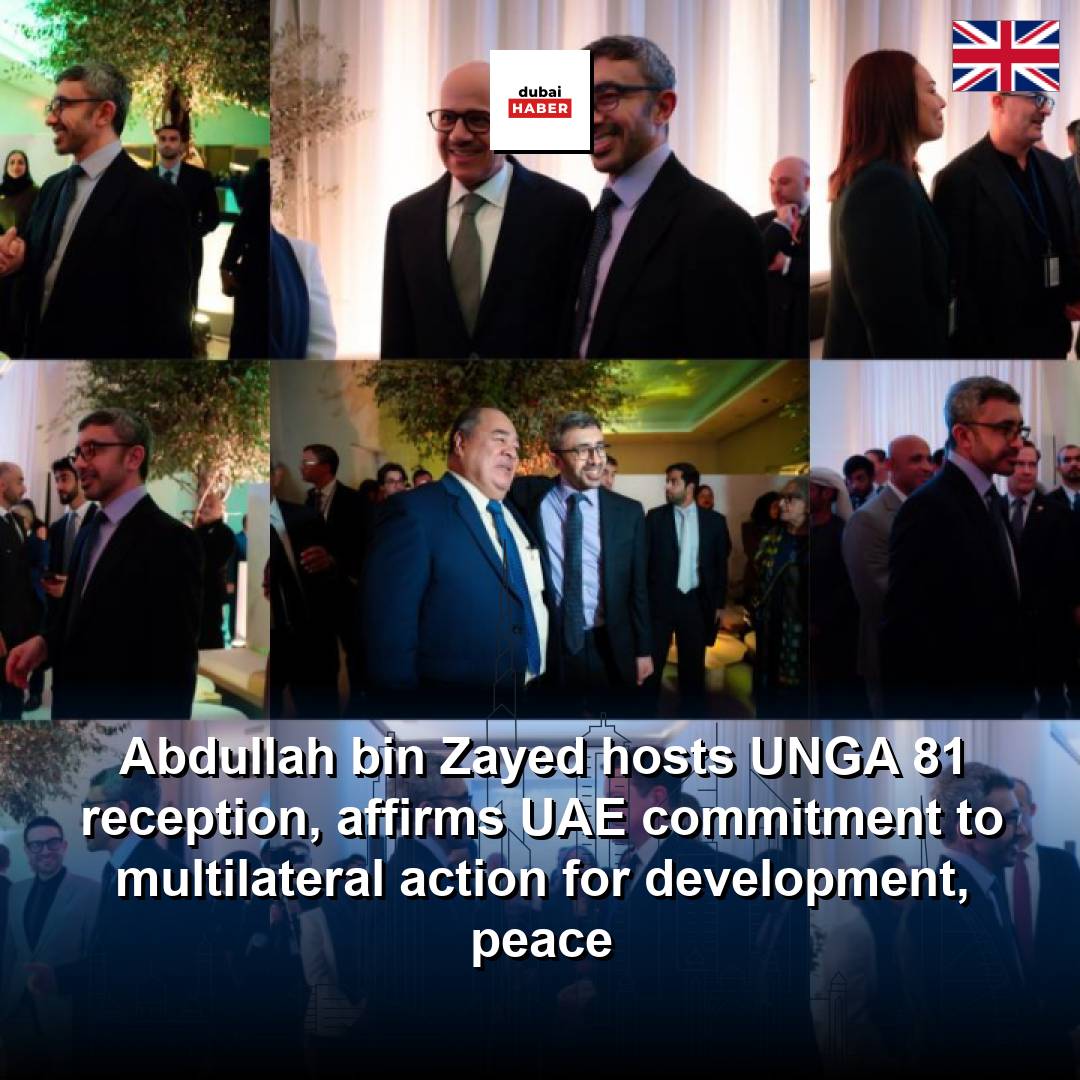
NEW YORK, 26th September, 2026 (WAM) --H.H. Sheikh Abdullah bin Zayed Al Nahyan, Deputy Prime Minister and Minister of Foreign Affairs, hosted an official reception on the sidelines of the 81st session of the United Nations General Assembly in New York.The reception, held at the UAE Mission in New York, was attended by a number of heads of state and government, foreign ministers from Gulf, Arab and friendly countries, senior officials from international organisations, and members of the UAE's official delegation to the UN General Assembly.The UAE top diplomat welcomed the attendees, reaffirming the UAE's steadfast approach to supporting multilateral international action in a manner that advances development and peace at the regional and international levels and contributes to building more advanced and prosperous societies.He wished all participants in the UNGA 81 meetings every success, expressing hope that their discussions would be fruitful and contribute to advancing the United Nations agenda and development goals.

Read News
UAE hosts 15th UN Congress on Crime Prevention and Criminal Justice - Abu Dhabi 2026
26.09.2026

UAE hosts 15th UN Congress on Crime Prevention and Criminal Justice - Abu Dhabi 2026

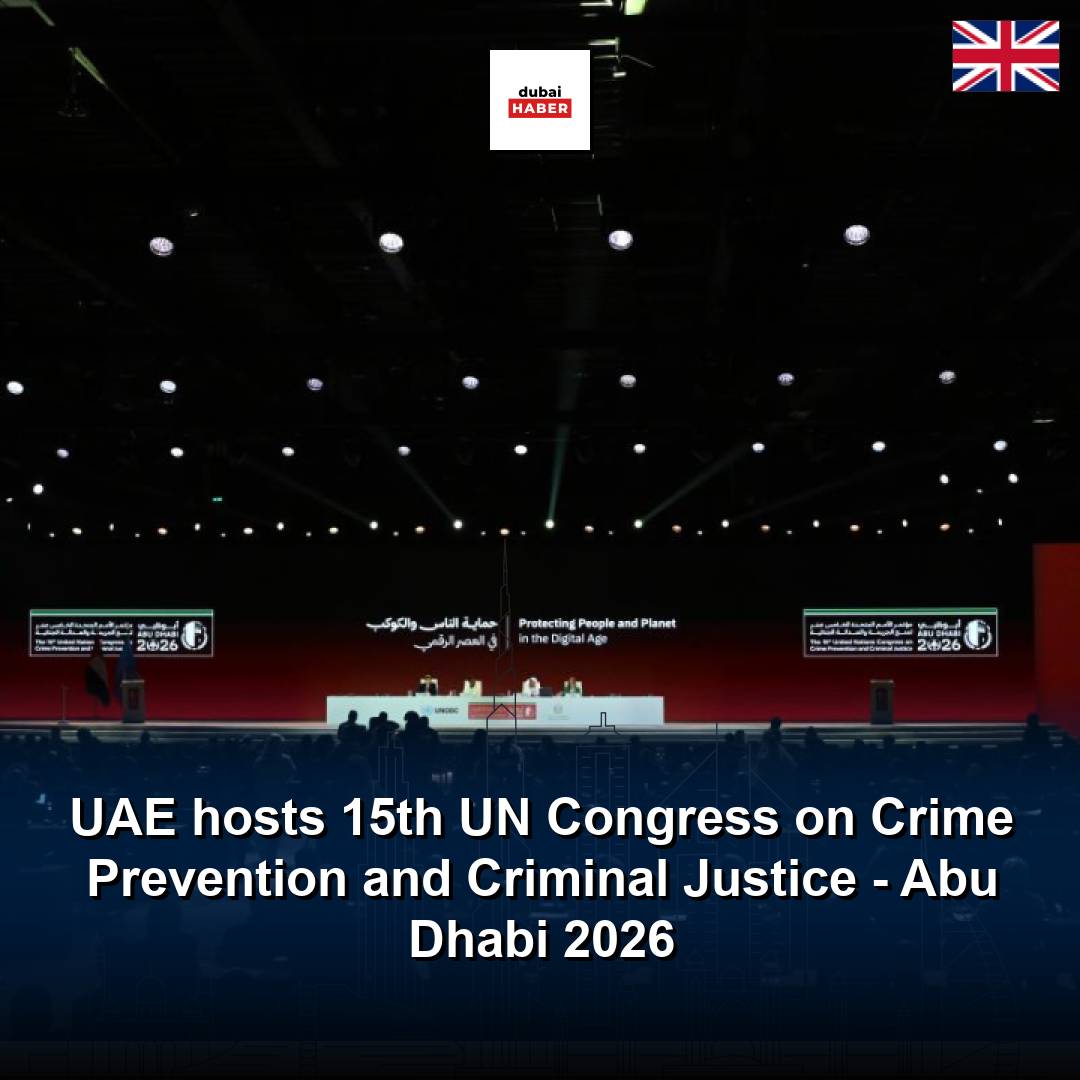
ABU DHABI, 26th September, 2026 (WAM) -- The UAE on Saturday brought the international community together for the opening of the 15th United Nations Congress on Crime Prevention and Criminal Justice - Abu Dhabi 2026, at ADNEC Centre Abu Dhabi.The six-day Congress attracts around 5,000 participants, including ministers, senior officials and experts, alongside representatives of governments, international organisations, civil society, academia, research institutions and youth from around the world.Representatives from more than 97 countries are participating in the Congress, including more than 32 ministers of justice and interior ministers, as well as 93 expert speakers and specialists, reflecting both the scale of international participation and the significance of the issues under discussion at this leading United Nations forum.Over the coming days, Abu Dhabi will host a global dialogue that will help shape international priorities in crime prevention and criminal justice for the next five years. Guided by a shared international vision that strengthens the rule of law and places people at the centre of justice systems, the Congress seeks to translate dialogue, cooperation, innovation and the responsible use of technology into practical partnerships and solutions that deliver lasting benefits for people and the planet.

Read News
Al Jalila Foundation allocates AED19.25 million to support cancer treatment for 297 children since 2015
26.09.2026

Al Jalila Foundation allocates AED19.25 million to support cancer treatment for 297 children since 2015

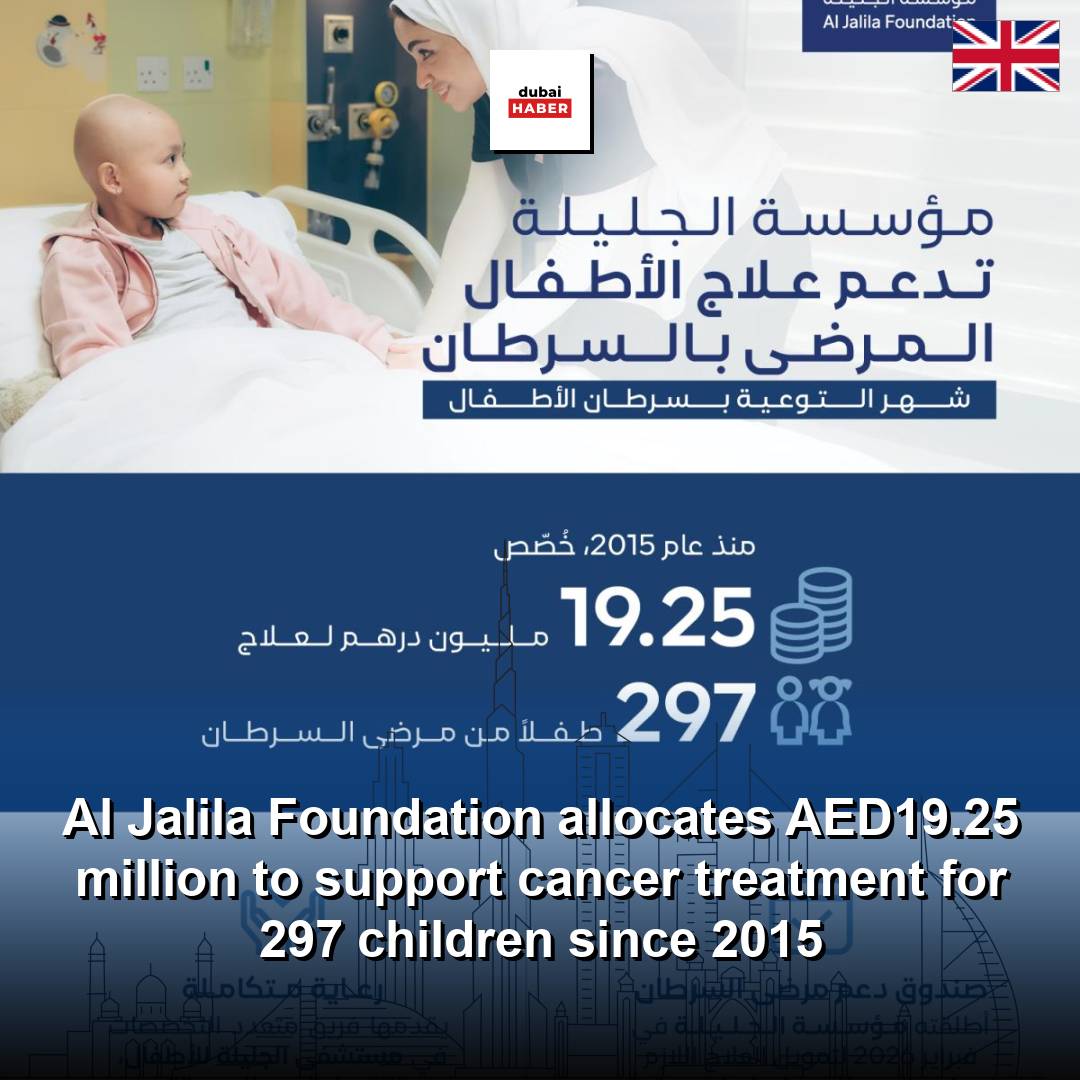
DUBAI, 26th September, 2026 (WAM) -- Al Jalila Foundation has announced that it has allocated AED19.25 million towards cancer treatment for 297 children since 2015, reflecting the Foundation's continued commitment to expanding access to essential care for young patients.The announcement coincides with Childhood Cancer Awareness Month, observed annually in September.Al Jalila Foundation plays a vital role in enabling Dubai Health's vision to advance health for humanity through the integration of Care, Learning, Discovery, and Giving.Through its patient support programs, Al Jalila Foundation helps children access the treatment they need and continue receiving care. In February 2026, the Foundation launched The Cancer Fund to provide dedicated funding for children's cancer treatment and ensure continuity of care.At Dubai Health's Al Jalila Children's Hospital, children receive comprehensive care from multidisciplinary teams throughout their treatment journey.

Read News
CANLI AKIŞ

DUBAI HABER TV

UAE Today News: Wins Dh5 Million Lottery, UAE Passport Online Child Safety Alert, Gold & Riyal Rates
HD
UAE Khabar Hindi 14.10.2026

UAE Today News: Wins Dh5 Million Lottery, UAE Passport Online Child Safety Alert, Gold & Riyal Rates

flydubai Terror Plot: New Arrests, Shocking Passenger Testimony
HD
NDTV 13.10.2026

flydubai Terror Plot: New Arrests, Shocking Passenger Testimony

Dubai-Tel Aviv Flight Hijack Scare | What Actually Happens in Cockpit ? Emergency Landing|Real Story
HD
Express News 01.10.2026

Dubai-Tel Aviv Flight Hijack Scare | What Actually Happens in Cockpit ? Emergency Landing|Real Story

UAE Today News: UAE Rain & Storm Alert, Etihad Flights to Riyadh Cancelled, Gold & Dirham Rates
HD
UAE Khabar Hindi 13.10.2026

UAE Today News: UAE Rain & Storm Alert, Etihad Flights to Riyadh Cancelled, Gold & Dirham Rates

Prosecutor drops BAD NEWS on Paxton over new scandal
HD
Brian Tyler Cohen 14.10.2026

Prosecutor drops BAD NEWS on Paxton over new scandal

The FlyDubai Story Just Got Even CRAZIER!
HD
Mentour Now! 12.10.2026

The FlyDubai Story Just Got Even CRAZIER!

Paxton partied in Dubai with fugitives: WSJ
HD
CNN 13.10.2026

Paxton partied in Dubai with fugitives: WSJ

Ken Paxton partied with 2 fugitives in Dubai, Wall Street Journal reports
HD
CBS News 13.10.2026

Ken Paxton partied with 2 fugitives in Dubai, Wall Street Journal reports

flydubai Terror Plot: 2 More Pilots Arrested, Shocking Crew Allegations Emerge
HD
NDTV 13.10.2026

flydubai Terror Plot: 2 More Pilots Arrested, Shocking Crew Allegations Emerge

Why Sheikh Wives Suddenly Look Younger After Eating This Royal 😱 #dubai #shortvideo
HD
MR ROSHAN FACTS 14.10.2026

Why Sheikh Wives Suddenly Look Younger After Eating This Royal 😱 #dubai #shortvideo

Iran Strikes Dubai News: Dubai Marina Building Hit by Debris Amid Israel-Iran War | India Today
HD
India Today 04.04.2026

Iran Strikes Dubai News: Dubai Marina Building Hit by Debris Amid Israel-Iran War | India Today

BREAKING NEWS FlyDubai: No ONE Is Reporting THIS!
HD
Mentour Pilot 03.10.2026

BREAKING NEWS FlyDubai: No ONE Is Reporting THIS!