 TR
 EN
 AR
 RU
 ZH
 DE
 FR
 ES
 HI
 FA
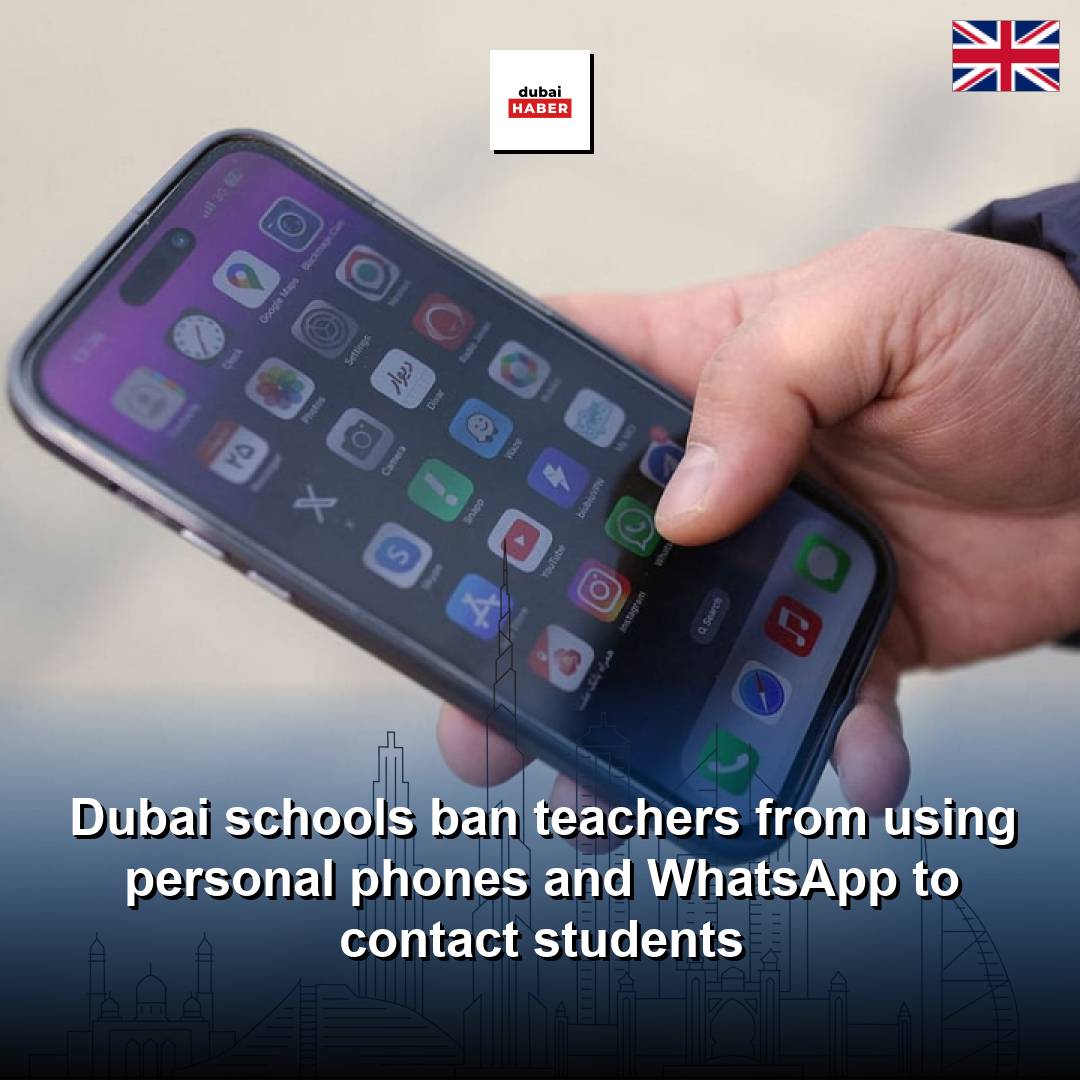
Dubai's private schools and other educational institutions are being required to draw a firmer line between teachers' professional and personal communication, with new rules barring staff from using their private mobile phones, WhatsApp accounts and social media profiles to contact students.
Under a new safeguarding framework issued by the Knowledge and Human Development Authority (KHDA), teachers must use school-authorised devices and institutionally approved digital platforms for all communication and teaching-related interactions with learners.
The requirements, announced on November 13, form part of KHDA's Policy Framework for Safeguarding and Learner Protection in Dubai's Private Educational Institutions. They seek to strengthen professional boundaries, improve oversight of interactions and reduce the risk of inappropriate contact between adults and students.
The rules also place wider responsibilities on schools to monitor staff conduct, establish safe working practices and ensure that safeguarding concerns can be identified and reported through clear institutional procedures.
The framework makes professional boundaries around digital communication an explicit safeguarding requirement.
"Prohibit personal or secretive relationships with learners, use of private contact details, and use of personal devices or social media for communication with learners."
"Require communication and teaching to take place only through institutionally approved devices and platforms."
This means teachers cannot independently contact students through their personal WhatsApp accounts, private mobile numbers or social media profiles. Even routine academic conversations must remain within communication systems authorised by their institutions.
The emphasis is on ensuring that interactions are visible, appropriately supervised and accountable, rather than taking place through private channels that schools may not be able to monitor.
The new requirements do not mean schools must abandon every familiar digital communication platform. The distinction is between institutionally managed communication and private exchanges between individual teachers and students.
He said school-managed groups remain useful for sharing announcements, provided communication is structured and subject to institutional oversight.
"We use WhatsApp in a structured and transparent manner through school-managed, admin-controlled class groups, ensuring that communication remains between the school and parents rather than through private teacher-student interactions.
For direct academic interaction, the school uses Microsoft Teams accounts authorised by the institution. Parents can also approach designated school help desks, while official email correspondence is restricted to school-registered accounts.
The safeguarding framework goes beyond restrictions on personal phones and online communication. It also sets expectations for how teachers, support staff and other adults interact with learners on school premises.
While many schools already had individual safeguarding policies, KHDA's framework establishes a common set of mandatory expectations across the private education sector.
Institutions are required to appoint a safeguarding governor at board level, alongside a designated safeguarding lead or child protection coordinator to oversee implementation.
The framework provides for a phased implementation period of up to 12 months, giving institutions time to review existing policies, train employees and strengthen their safeguarding arrangements.
(Source: Khaleej Times)